
A mass escape from a trafficking ring handed prosecutors everything they needed for Liberia’s biggest trafficking conviction. 51 victims say a bribe is about to set their traffickers free
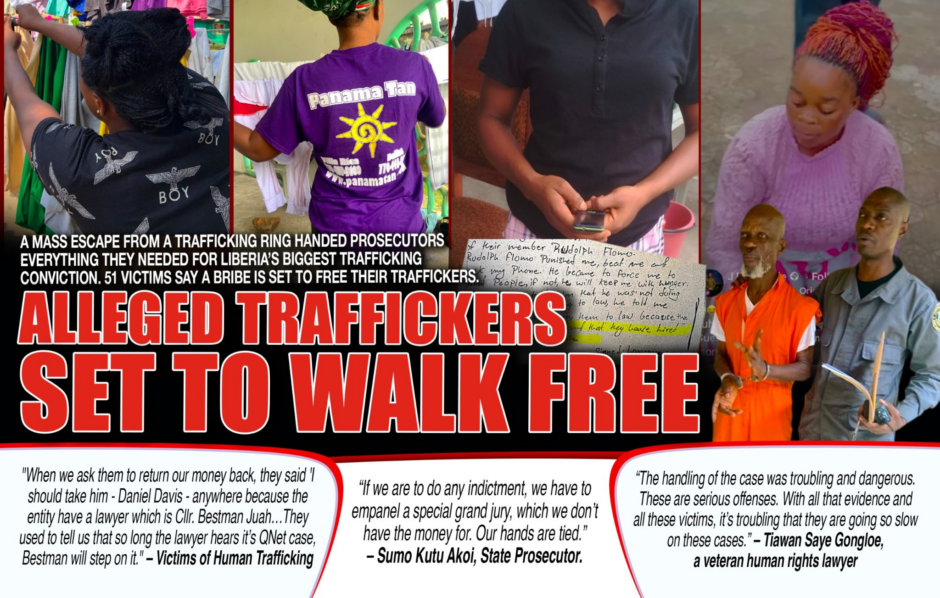
By Anthony Stephens, senior justice correspondent and New Narratives editors
On a morning last October, more than 50 women and men walked into Paynesville magistrates’ court and told the prosecutors everything. They described a compound next to Vice President Jeremiah Koung’s Gbankpa Town home, where they had been lured with false promises of help to get jobs in Canada or Australia. They described the 27 men and women who they said had tortured, trafficked, stolen, starved, and rape them. One victim has vanished and was feared murdered. Within days, eleven suspects were under arrest. It should have been, by any measure, a breakthrough in the exploding crime of human trafficking that was destroying the lives of poor Liberians across the country.
For years Liberians had been watching a major coordinated crime unfold against them. Missing persons posts appearing on Facebook — pleas for help finding a daughter who had left for a housekeeping job in Canada, a son who had gone to Australia, a husband bound for South Africa, all of whom had stopped making contact. The posts multiplied. Everyone had a nephew or a daughter who was trapped in some foreign country. One cartel, possibly more, had identified something useful: that in a country where poverty runs deep enough to make any promise of work abroad feel like salvation, there was no shortage of people willing to believe.
When the Gbankpa Town victims came forward, advocates who had been tracking the explosion of trafficking scams allowed themselves, cautiously, to hope. Here, finally, was a case the government could not ignore. There were survivors willing to testify, suspects in custody, statements on the record. It was everything a prosecution requires.
Everything, it would turn out, except a system willing to use it.
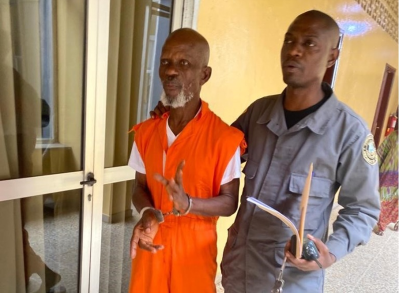
Five months later, the case is not on the docket. The chief prosecutor of Court “A,” where human trafficking cases are tried, says it will not be heard before the court closes this term on April 12. The defendants, not having been tried in a “timely manner”, will be eligible for bail. Men facing a minimum 20-year sentence are unlikely to stick around. The $100,000 prosecutors say was stolen from victims, and any hope of seeing justice, will go with them.
What the case has already revealed is, in some ways, worse than the trafficking itself: a justice system that experts say is failing Liberia’s poorest citizens by design. Victims in this case say they know why. In police statements and in interviews, they detailed bribe payments that they say are causing police and prosecutors to allow exploitation of poor Liberians to thrive.
No cases involving trafficking scams have reached Monrovia’s courts in two years. In 2023-2024, the government lost three cases. Since the government ramped up anti-trafficking efforts in 2020— driven largely by pressure to meet United States Trafficking in Persons Report requirements and protect access to US aid — just 21 trafficking cases have made it any court in the country. Only five have ended in conviction.
The scale of the problem dwarfs that record. Paynesville prosecutors alone say they have received reports involving hundreds of victims in recent years. In January, Nigerian police and military raided two compounds in Lagos, where victims said there were hundreds of Liberians being held.
Compounds have been discovered in Freetown and others in Monrovia. There are almost certainly victims in captivity now.
The Liberian government has shown it can move fast when it chooses to. In 2022, a woman named Retina Capehart was charged, tried and convicted in six weeks. She is now serving a 20-year sentence. Capehart says she was set up. Capehart, her mother and brother all told FrontPage Africa/New Narratives that they had been asked to pay bribes to make the case disappear. When they did not pay enough, they said a prosecutor told them he would make sure she was found guilty — because, he said, “the Americans needed a conviction.”
“We Own The Government” – Victims Say Traffickers Offered Bribe to Make Case Go Away
But according to the victims in the Gbankpa Town case, some accused traffickers do pay enough. What happened inside those compounds and after emerged, in nine separate accounts given to FrontPage Africa/New Narratives and in statements to police — each one harrowing, each one consistent with the others.
The promise was always the same: a job as a maid in Canada or Australia, $250 a month, a way out. It often came from trusted family members or friends. For communities – usually rural and trying to survive as climate change has devastated their farm yields – facing such difficulty surviving that whole villages pooled their savings to scrape together the $1,000 to $16,000 the recruiters demanded, it was not greed that drove them — it was math. There was no other way.
When victims arrived in Monrovia supposedly to receive passports and tickets, they were quickly put behind locked gates, separated by gender, cut off from their families. It was only a stroke of proximity that freed them. Security guards at the home of Vice President Koung heard the banging first — then the screaming — coming from across the road.
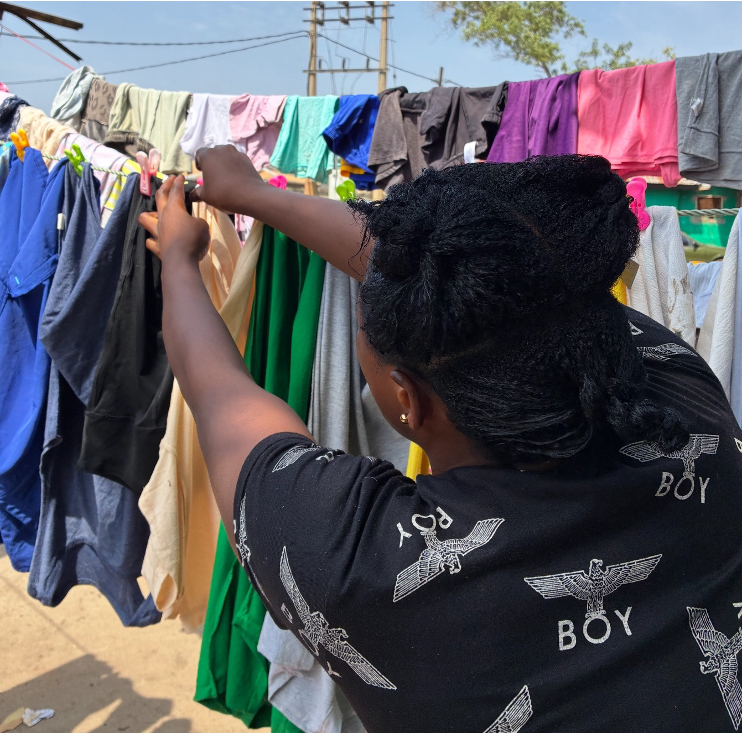
When they investigated, they found as many as 100 women in a state of acute distress, many of them starving. One woman, 28 years old and from Nimba County, had been inside the compound for eleven months. She had left home still breastfeeding twins. The traffickers made her work through every contact in her phone — family, friends, neighbors — and tell them she was happy, that Canada was everything she had hoped, that they should come. She demonstrated for reporters how they had tortured her when she resisted: pinned to the ground beneath heavy cement blocks.
She became teary when she recalled how she had called her own brother. She had said the words the traffickers told her to say. He had believed her. He scraped together the money and followed her to Monrovia. He too ended up in a compound.
Back home, their mother was ill — bedridden, by the time we spoke to her daughter. Debt collectors were coming to the house, pressing the family for the money they had given to send her children away.
One woman from Nimba said she had sold her farm and all her properties, left her children behind and paid $16,500 to the traffickers. She could not afford the $5 to return home. The children were alone, destitute.
The victims told these reporters that Ophelia Melway, one among their number, had been taken away. She had not come back. Captors told them she had died. The women suspected murder and that the traffickers planned to kill them all. That’s when they made their noisy bid for help.
The government had provided the women with a safe house while they waited for a trial that has not come. For nearly four months, it had also provided food. Then that stopped too.
One by one, the victims have started going home. They say they have been reminded again of what they have always known: justice in Liberia is for sale.
“We na hearing nothing,” says one woman. “It’s really playing on me. Because Liberia — there’s no justice for the poor.”
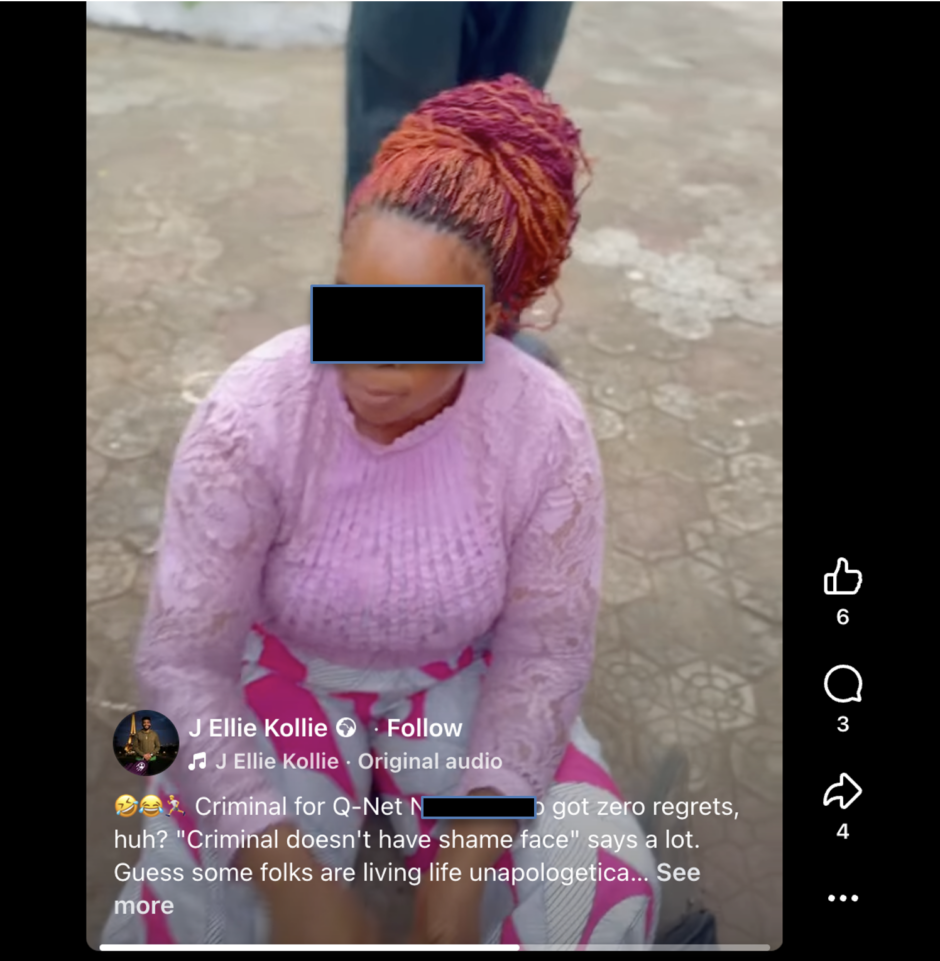
Nine victims told police investigators that their alleged captors had been openly contemptuous of the justice system throughout their captivity. Police were “in the business,” they were told. Their captors “owned the government.” Officials were “in their pocket.” The case would never be tried.
And the captors named the man making sure of it: Bestman Juah.
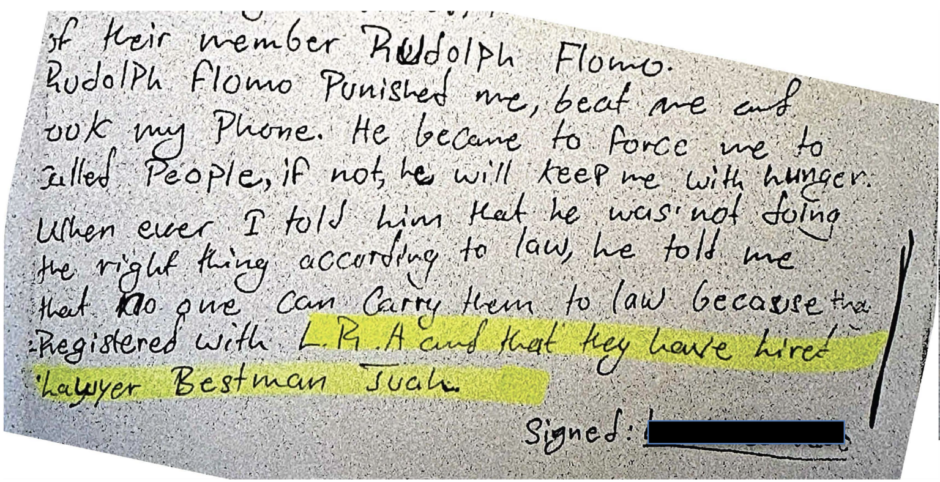
Seven victims named Juah in statements to police, seen by these reporters, saying accused perpetrator Daniel Davis had boasted openly that Juah was the operation’s lawyer.
“When we ask them to return our money back, they said ‘I should take him – Daniel Davis – anywhere because the entity have a lawyer which is Cllr. Bestman Juah,” one victim said in his police statement.
“They used to tell us that so long the lawyer hear it QNet case, Bestman will step on it,” says C., another one of the victims.
QNet is a Malaysian internet marketing company whose name has become ubiquitous in Liberia’s trafficking crisis — invoked by recruiters as a badge of legitimacy, and repudiated by the company itself, which says those using it are doing so fraudulently.
In separate interviews, nine victims gave FrontPage Africa/New Narratives the same account. Each said their alleged captors said they had been paying Juah $500 a week for protection.
Then came the bribe.
Victims said that Emmanuel Tarr, a Paynesville prosecutor, told them that Juah had approached him with an offer: $7,000 to drop the most serious charges — rape and human trafficking. It was, on its face, a straightforward transaction. Strip the charges, and the defendants would be eligible for bail. Eligible for bail, and they would disappear.
Tarr, the victims said, had a counterproposal. He would consider withdrawing the charges — but only if the defendants paid back $70,000 of the $100,000 that had been taken from the victims.
There was no deal.
Emmanuel Tarr declined a request for comment. A government official in the original case, who requested anonymity for fear of retaliation, confirmed that Bestman Juah was the only lawyer who contacted him on behalf of the defendants. Several legal officials told FrontPage Africa/New Narratives that they have been warned against speaking to these reporters about the case.
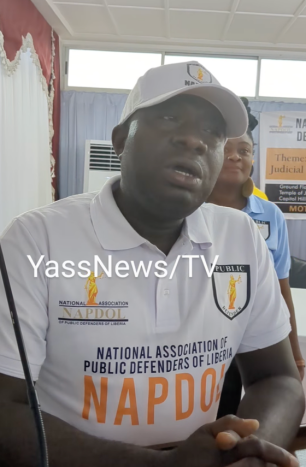
Public defenders in Liberia are appointed to represent indigent defendants — those who cannot afford private counsel. They are prohibited from taking paid work for private clients. Juah has held the role since 2018, according to his LinkedIn profile.
He is also, as of last year, president of the National Association of Public Defenders of Liberia. On his election, Juah vowed to provide “transformational and accountable leadership” and pledged that representing indigent clients well would be the hallmark of his tenure.
In response to questions sent by Whatsapp, Bestman Juah said the “allegations are untrue. I’m not representing any accused traffickers.”
Police records of the interviews with defendants, seen by New Narratives, list Pervis Dolopeoi, David M. Koleh and Mamee S. E. Gongbah, as their lawyers.
When contacted, Dolopeoi, who began a job as the in-house counsel for the National Port Authority in early 2025, said he did not represent the defendants, and denied it was his signature on the file.
“My lawyering will never even extend to Qnet and those types of groups,” he said in a phone call. “I have integrity.”
The other two did not respond to requests for comment sent by WhatsApp and direct message.
What The Police Report Left Out
The first alleged bribe had failed. But victims soon feared another had been successful: the official police report charged only one perpetrator – Bill Plato – with rape. Only 5 of the 11 defendants were charged with Trafficking in Persons. Three, who had been arrested and accused of torture, trafficking and theft by multiple victims —Marthaline Tompia, Shelley Jonny and Blessing Favor Suah — were never charged at all.
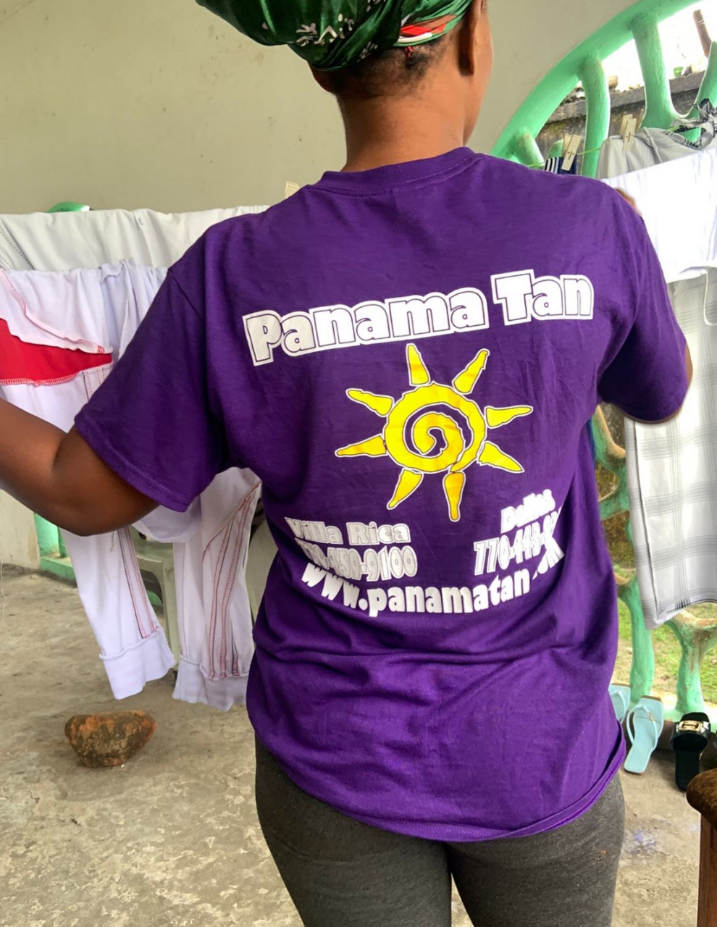
In written statements to police, four victims said they had been raped multiple times during their captivity, by at least five defendants. In one of the most disturbing accounts, a 28-year-old observant Muslim told reporters Davis had drugged her Coke after she refused to drink alcohol, then raped her.
The victims said they gave their statements to Enoch Dunbar, who leads the Liberia National Police’s Trafficking in Persons desk. The investigator who signed the charge sheet is Emmanuel S. Walker. The statements are still in the case file that is now with prosecutors of Court “A.” It is not clear why the decision was taken not to charge all defendants with all four crimes or to release three of those who were charged.
Three legal experts, including Tiawan Gongloe, the former solicitor general, who reviewed the files, told New Narratives that the cases for the crimes of human trafficking, gang rape, conspiracy to commit theft and theft were clearly established.
Prosecutor Sumo C. Kutu Akoi said it was not his job to decide which crimes should be charged and referred reporters to Dunbar.
In a WhatsApp response to a list of detailed questions, Dunbar did not address the accusations and said, “I don’t think you really know me because there’s nothing that can influence the right thing I supposed to do.”
The case has meandered through the courts at a pace that legal experts said does not meet the size and importance of the case. Though the charges were laid in November, Akoi said they could not bring the case to trial in the last term of court that ended in January. By this term of court, which started on February 9th, the case had been moved to Court “E,” where rape and sexual violence cases are tried, because of the one rape charge against Bill Plato. Akoi told reporters that the other charges could not be tried until the rape charge was dealt with.
It was not until a month later that Isaac George, chief prosecutor of Court E and director of the Sexual and Gender Based Violence Unit at the Justice Ministry, told these reporters there was not sufficient evidence to support a first-degree rape charge. George referred the case back to prosecutors at Court A.
In March, Akoi confirmed the case will not go to trial this term. This term’s grand jury – which approves indictments — was disbanded on March 5th.
“If we are to do any indictment, we have to empanel a special grand jury, which we don’t have the money for,” said Akoi. “Our hands are tied.”
Accused Traffickers Will Become Eligible for Bail in Three Weeks
At the end of this term, on April 12th, the defendants will become eligible to apply for bail. Legal experts expect them to flee the country to avoid the minimum 20-year sentences they face if convicted. It has happened before: in a similar case, accused trafficker Cephus Selebay absconded in 2022 and has never been brought to justice.
Akoi denied that any bribes had been paid or that anyone connected to the defendants had manipulated the process to delay the case, but he conceded it was very possible that the defendants would now seek bail and vanish.
Gongloe, the veteran human rights lawyer, did not mince words. The handling of the case was “troubling” he said — and dangerous. “These are serious offenses. With all that evidence and all these victims, it’s troubling that they are going so slow on these cases.” He warned that if these victims are not tried public trust in a justice system already synonymous with corruption will erode further.
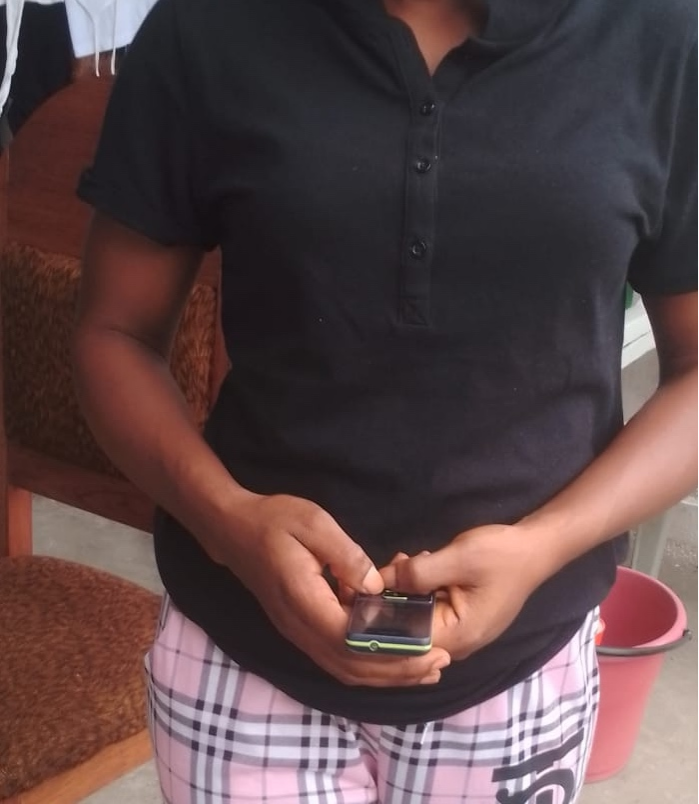
The victims are despairing. They had hoped that the legal action would lead to a return of at least some of their money. Families who pooled everything they had to send a daughter, a son, a sister toward a better life, the debt won’t go away. It means hunger, threats, children missing school, despair.
Somewhere, recruiters are already working their phones. In Liberia, it seems, all you need is the right lawyer. The victims knew that. They just hoped, for a while, that they were wrong.
This story was a collaboration with New Narratives as part of the Investigating Liberia project. Funding was provided by the Swedish International Cooperation Development Agency. The funder had no say in the story’s content.