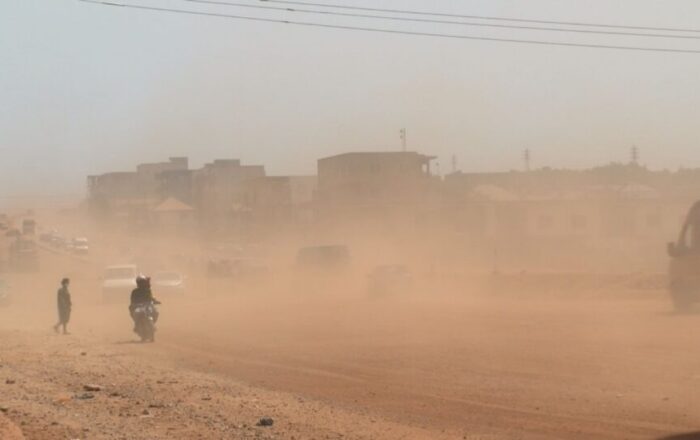
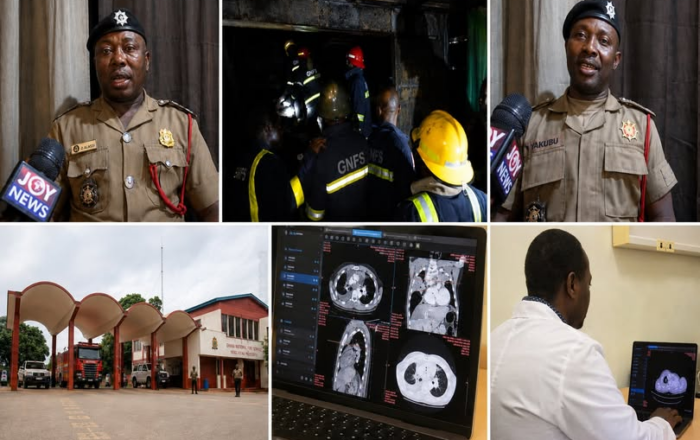
New Narratives supports dozens of investigations into extractives industries and climate, land and water justice in West Africa each year. We shine a spotlight on the impacts on real people here on the frontlines of climate change. In Ghana our work has focused on the dramatic impacts of air pollution. In Liberia and Sierra Leone we have shone a spotlight on mining and oil industries as well as climate justice. We have highlighted the work of changemakers and supported the work of civil society organizations bringing transparency to these crucial sectors. See some of our work here. We thank our donors – the Clean Air Fund, American Jewish World Service, the Swedish and US embassies in Liberia, and German Development Cooperation – for supporting this work.
As Climate Change Gathers Pace, Monrovia Sees Another Destructive Rainy Season

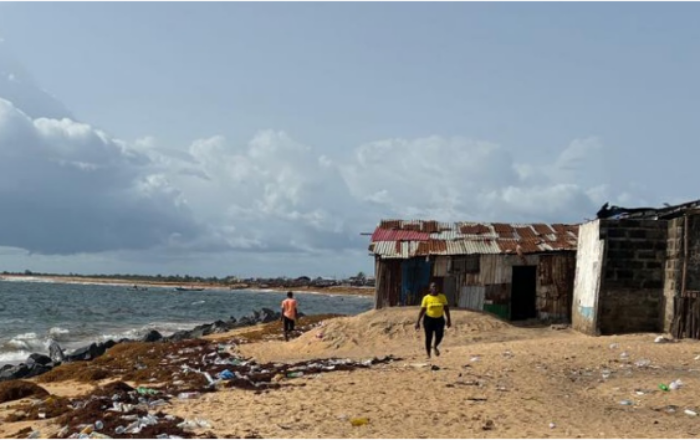
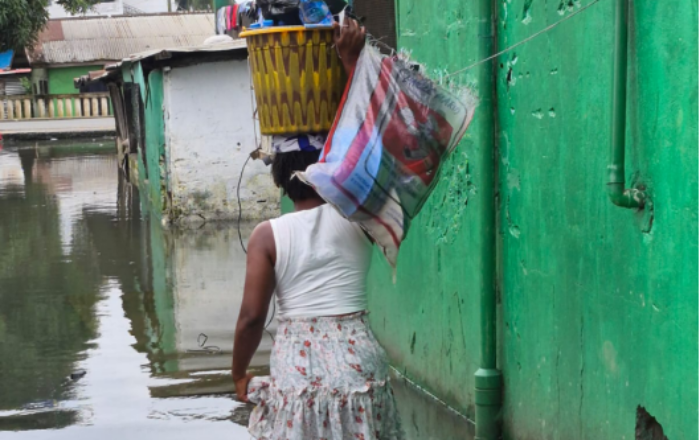
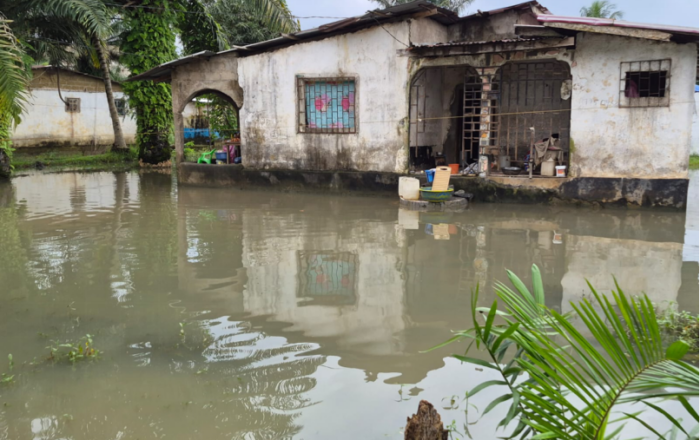
Monrovia is facing another devastating rainy season as climate change brings heavier and more unpredictable rainfall, worsening flooding across low-lying communities. Thousands of families have been affected by flooded homes, disrupted schooling, lost livelihoods, illness, and even deaths. Experts say the crisis is being fueled not only by climate change, but also by blocked drainage…
‘Jaw Dropping’ El Niño” Could Test Liberia’s Weak Weather Warning System and Put Thousands of Lives at Risk, Experts Warn

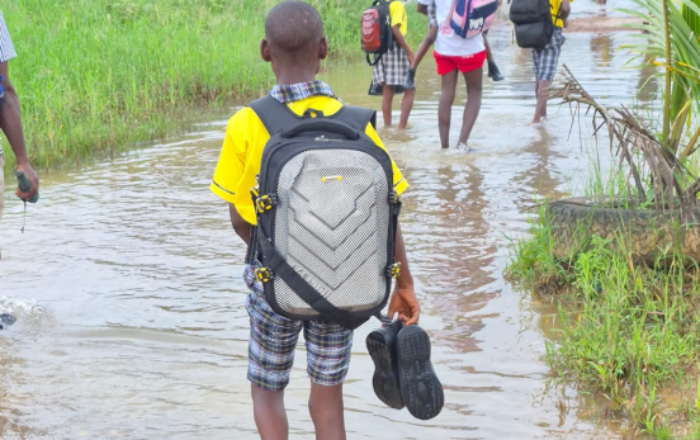
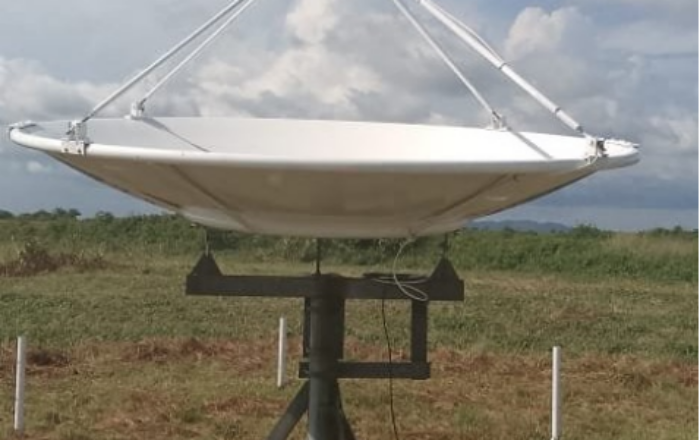
A powerful El Niño weather pattern could expose serious gaps in Liberia’s ability to warn and protect communities from extreme weather, according to experts. With flooding, stronger storms, and other climate-related threats expected, thousands of people could be at risk if early warning systems fail to reach vulnerable communities in time. The warning highlights the…

‘Jaw Dropping’ El Niño” Could Test Liberia’s Weak Weather Warning System and Put Thousands of Lives at Risk, Experts Warn

By Nemenlah Cyrus Harmon, climate and environment reporter with New Narratives Summary The sea off Liberia turns a deceptive shade of calm every year around this time as the rains give way to the dry season – warm, glassy, inviting. But Nathaniel Blama, Liberia’s former chief environmental regulator, has learned to read that as a…

Experts Raise an Alarm as Aid Cuts and Price Rises Lead to Tripling of Babies Suffering Acute Malnutrition

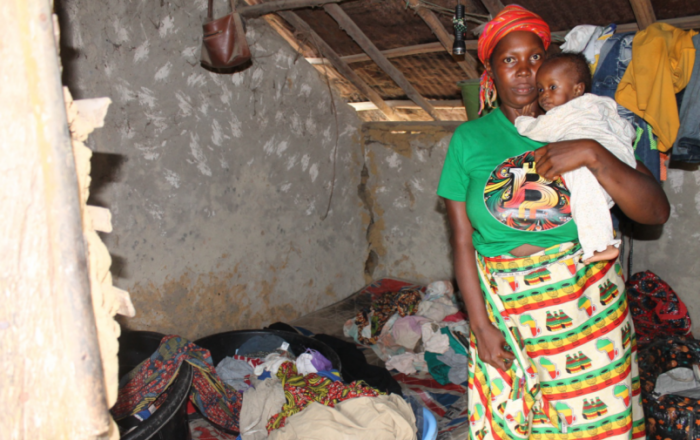
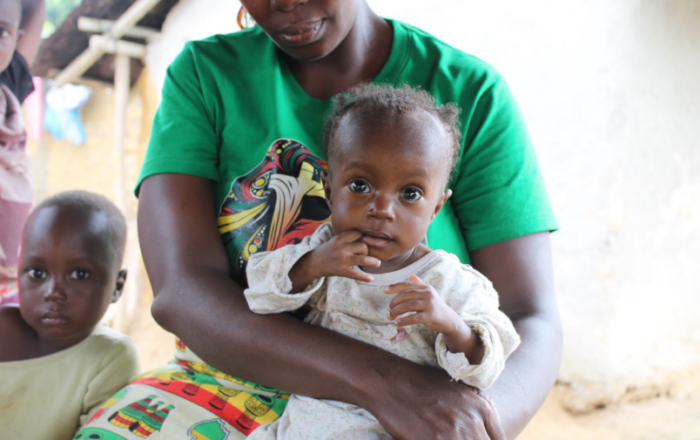
In Liberia, health experts are sounding the alarm as childhood acute malnutrition has nearly tripled, driven by aid cuts, rising food prices, and growing poverty. Families in rural communities are struggling to feed their children, while clinics report shortages of lifesaving nutritional treatments that once helped keep vulnerable babies alive. Officials warn that without urgent…

Families live with hidden risks from lead as battery recycling pollutes the air

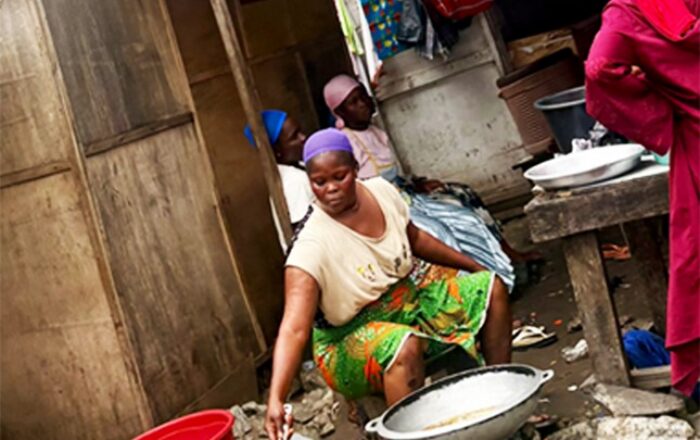
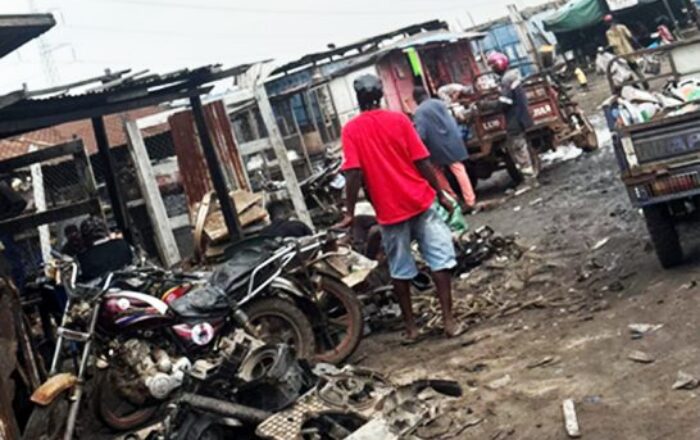
In Ghana’s Ashaiman scrapyard, families are unknowingly facing serious health risks from lead pollution linked to informal battery recycling. Parents work and children spend time near sites where old batteries are broken open, releasing toxic lead dust and fumes into the air, soil, and food. Health experts warn that lead exposure can cause anemia, hearing…

Experts Raise an Alarm as Aid Cuts and Price Rise Lead to Acute Childhood Malnutrition Tripling as More Babies Die

By Nemenlah Cyrus Harmon, climate and environment reporter with New Narratives Summary GBAA-GAYE TOWN, Grand Bassa County – Eight-month-old Helen does not play the way babies usually do. She lies against her mother’s chest, as they sit under a palaver hut in this remote village surrounded by forest and accessible by one hand-cut road. Helen’s legs are…

Ghana’s silent poison: Three years after landmark survey found children being poisoned by lead, slow pace of reforms is putting more children at risk

By Joyce Gyekye Summary: TEMA, Greater Accra Region — In this community and others around it, a threat that cannot be seen is quietly harming adults and children. E-waste and battery recycling operations are a growing industry in West Africa as the region becomes a dumping ground for waste products from Europe and the United States….

Donors Have Approved Nearly $300 Million More for Climate Adaptation. Can the Boakai Government Bring the Capacity and Commitment Required to Unlock It?

Liberia has nearly US$300 million in climate adaptation funding approved by international donors, but receiving and using the money will depend on the Boakai administration’s ability to implement reforms, strengthen public institutions and manage the funds transparently. The opportunity could help protect vulnerable communities, improve infrastructure and build resilience against flooding, coastal erosion and other…

Donors Have Approved Nearly $300 Million More for Climate Adaptation. Can the Boakai Government Bring the Capacity and Commitment Required to Unlock It?

By Nemenlah Cyrus Harmon, climate correspondent with New Narratives Summary Last year, the Boakai government made an ambitious promise to its people and the world: Liberia would cut emissions of the so-called “greenhouse” gasses that are causing climate change, by 64 percent by 2035, and make the radical adaptation efforts needed to protect the forests, farmers…

Smoke and Promises: Inside Ghana’s slow-moving electric bus revolution

By Wonder Ami Hagan with New Narratives For twelve years Philip Quansah drove a trotro through Accra’s traffic, breathing in whatever came through the window. He didn’t think much of the catarrh (sinus congestion), the coughs, the headaches. They were just part of the job. Six months ago, he had the chance to switch to driving an…

This is unacceptable: Inside the Environmental Protection Authority Raid That Exposed an Illegal Chinese-Owned Gold Mine Using a Banned Chemicali

During the raid, EPA officials found evidence that the mine was operating without proper authorization and using cyanide, a highly toxic chemical banned in Liberia due to its devastating impact on water sources and human health. The agency described the situation as “unacceptable,” stressing that such practices not only endanger local communities but also undermine…