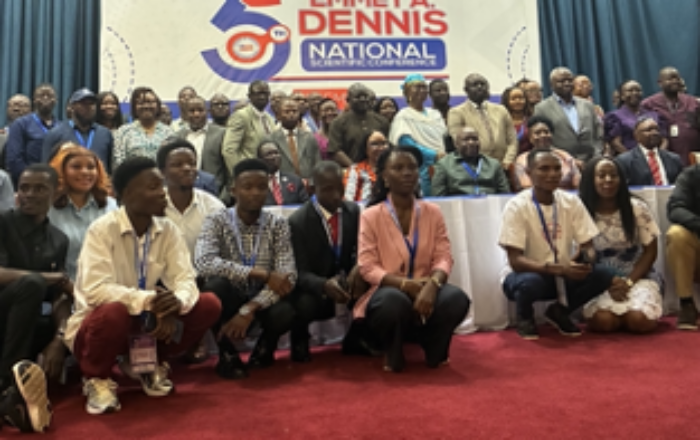
As Sexual and Reproductive Rights Coalition Marks Five Years, Senate Delay Keeps Abortion Provision of Public Health Bill in Limbo

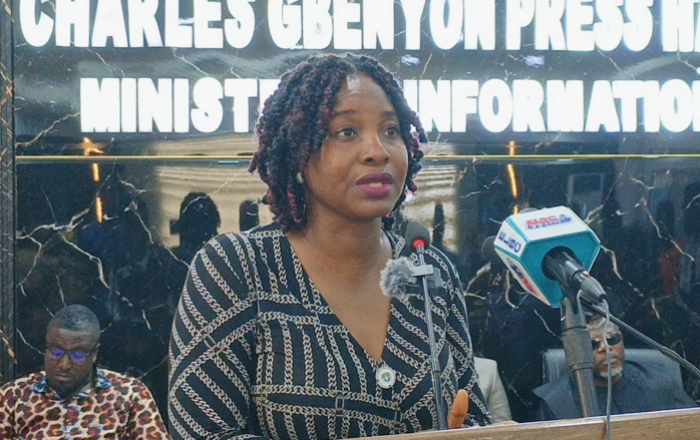
Liberia’s Sexual and Reproductive Rights Coalition has spent five years shifting public attitudes, training young people, and building support for reproductive health. Despite these achievements, the coalition’s central demand—the inclusion of abortion access in the stalled Public Health Bill—remains unresolved due to Senate delays, leaving women vulnerable and pushing activists to call for stronger local…

As Sexual and Reproductive Rights Coalition Marks Five Years, Senate Delay Keeps Abortion Provision of Public Health Bill in Limbo

By Joyclyn Wea, gender correspondent with New Narratives Summary: Five years ago, organizations working on sexual and reproductive health across Liberia reached the same conclusion: acting alone was not enough. With funding from the Swedish government, they formed the Amplifying Rights Network, a coalition that has since trained community leaders, mobilized thousands of citizens, and…

As Other African Nations Reject U.S. Health Deal, Liberia’s Agreement Faces New Scrutiny

Liberia’s new five‑year, US$124 million health compact with the U.S. is drawing sharp scrutiny as other African nations reject similar deals over concerns about data sovereignty, specimen sharing, and funding obligations. Civil society groups warn that the agreement could give U.S. entities long‑term access to sensitive health information without adequate safeguards, while shifting financial burdens…

As Other African Nations Reject U.S. Health Deal, Liberia’s Agreement Faces New Scrutiny

By Joyclyn Wea, gender correspondent with New Narratives Summary: Ghana has become the third African country to reject a proposed U.S. health agreement, with government officials saying the deal would have given U.S. entities broad access to sensitive national health data, including metadata and analytical tools, without sufficient safeguards or prior approval. The deal included provisions that…

As Vaccine Aid Is Cut, a Remote Measles Outbreak Shows What’s at Risk

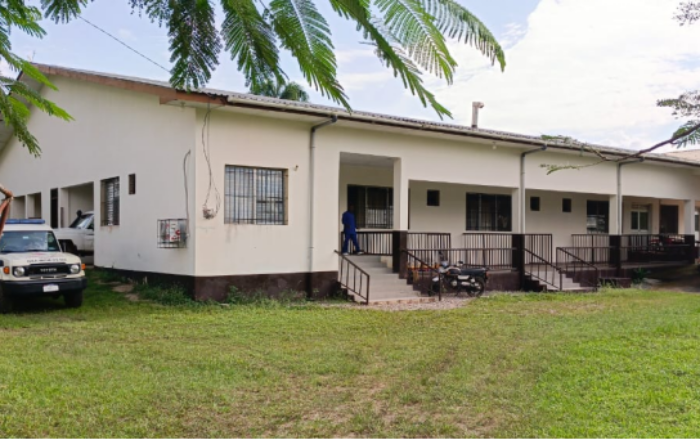
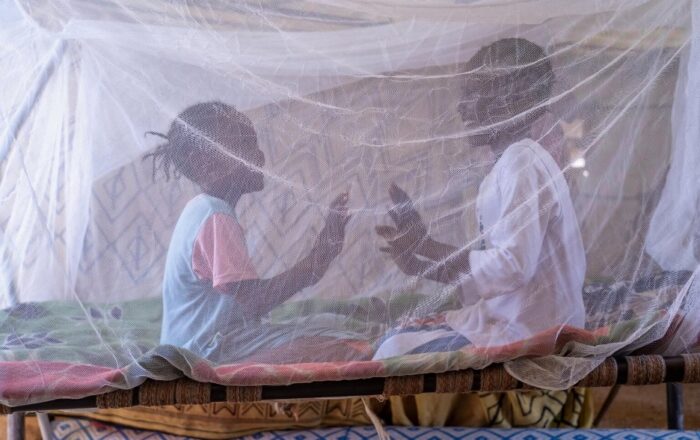
A measles outbreak struck Kiangia Town in January, moving silently from home to home before families realized what was happening. With clinics closed or lacking medicine, parents and grandparents relied on traditional remedies like leaves, honey, and alcohol, which experts say offered no protection. One child, Samuel, just four years old, died, while others suffered…

As Vaccine Aid Is Cut, a Remote Measles Outbreak Shows What’s at Risk

By Tetee Gebro and Joyclyn Wea, gender and health correspondents with New Narratives Summary KIANGIA TOWN, Todee District — The measles came to this town in January. Nobody announced it. Nobody warned families here. It moved quietly from home to home, the way measles does — through the air, between children playing; spreading before anyone understood…

Taxed Into Shame: Ghana Gives Free Pads, Liberian Girls Cut Up Diapers

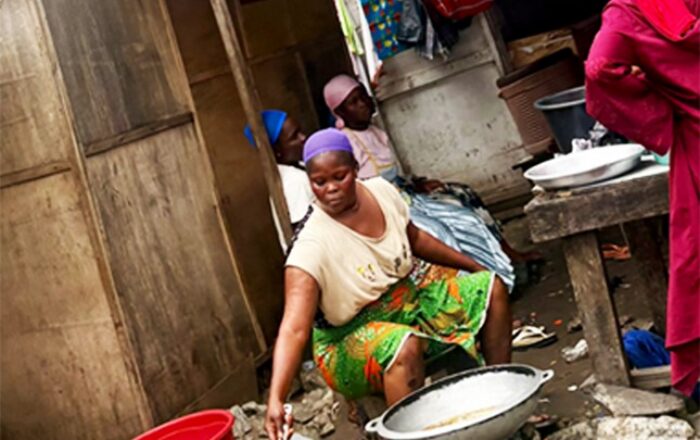
In Liberia, many schoolgirls are forced to cut baby diapers in half or use cloth during their periods because sanitary pads are taxed at 30 percent, making them unaffordable. While Ghana has already taken bold steps to provide free pads to schoolgirls, Liberia’s proposed bill to remove taxes on menstrual products remains stalled in committee,…

Nine Out of Every Ten Women Take Antibiotic Every Month a Survey Finds: Experts Describe Findings as ‘Catastrophic’ For All Liberians

A new survey shows 9 out of 10 Liberian women take antibiotics monthly after their period—often without prescriptions. Experts call the practice catastrophic, warning it fuels antibiotic resistance and threatens public health nationwide. Gloria Wleh reports in this social media Video. To read more about this story click this link: Liberia: Nine Out of Every…

Funding Cuts, Weak Oversight, And Hidden Traps: Experts Sound the Alarm on Liberia’s New U.S. Health Deal

By Joyclyn Wea, health reporter and New Narratives editors Summary: Late last year, the government of Liberia signed a five-year health agreement with the United States. President Joseph Boakai’s administration celebrated the deal as a step toward taking control of the country’s own health system. But health experts, former U.S. government officials, and civil society groups are raising serious…