
By Anthony Stephens, Senior Justice Correspondent with New Narratives
Summary:
- Despite long-standing fears that a war crimes court could spark instability, experts say successful international prosecutions and changing public sentiment make conflict unlikely.
- With Prince Johnson dead and no history of violence tied to past war crimes trials, experts say court designers should prioritize protecting facilities, staff, and witnesses—but fear of ex-warlords is overblown.
- Experts say the court must be based in Liberia, but funding gaps, training needs, and regional risks mean international partners must help equip security forces without deploying foreign troops.
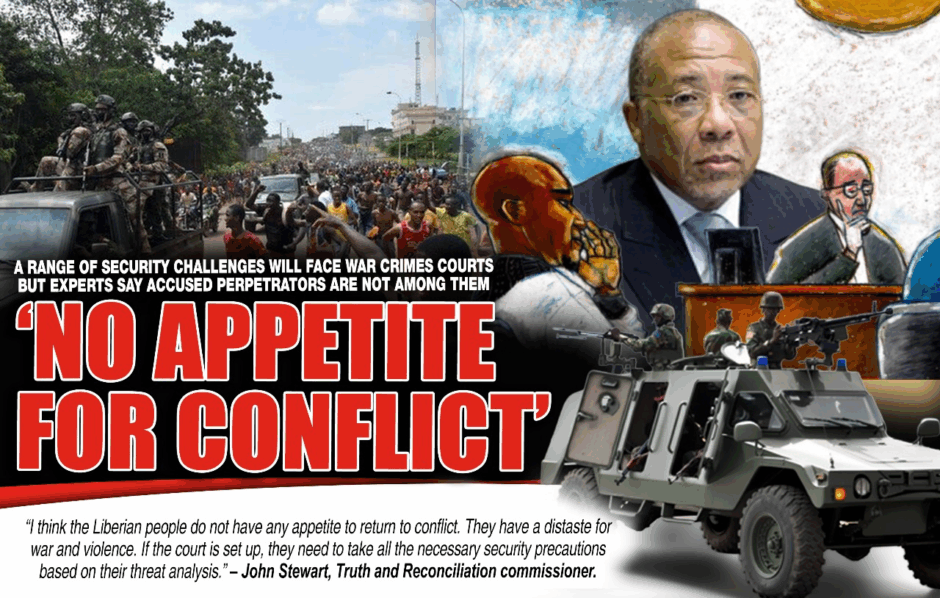
One of the most important issues for designers of Liberia’s war and economic crimes court will be security. Opponents of the court, including Thomas Nimely Yaya, an ex-rebel leader, now a senator of Grand Gedeh County, have long threatened a court would “dismantle” peace, stir up old wounds and restart conflict. At least one of those most likely to have been called before the court – the late warlord-turned-senator Prince Johnson – had threatened a military response if he were indicted.
There will also be the huge issue of how to protect the many witnesses who will be called upon to testify. In more than a dozen cases brought against perpetrators from Liberia’s conflicts in Europe and the United States, some witnesses have reported being threatened.
“You’ve got to be prepared for every eventuality,” said Ambassador Stephen Rapp, a former chief prosecutor for the Special Court for Sierra Leone, in a video interview last year. “And nothing would ruin the court more than a security incident that would basically undermine all the rest of its of its trials.”
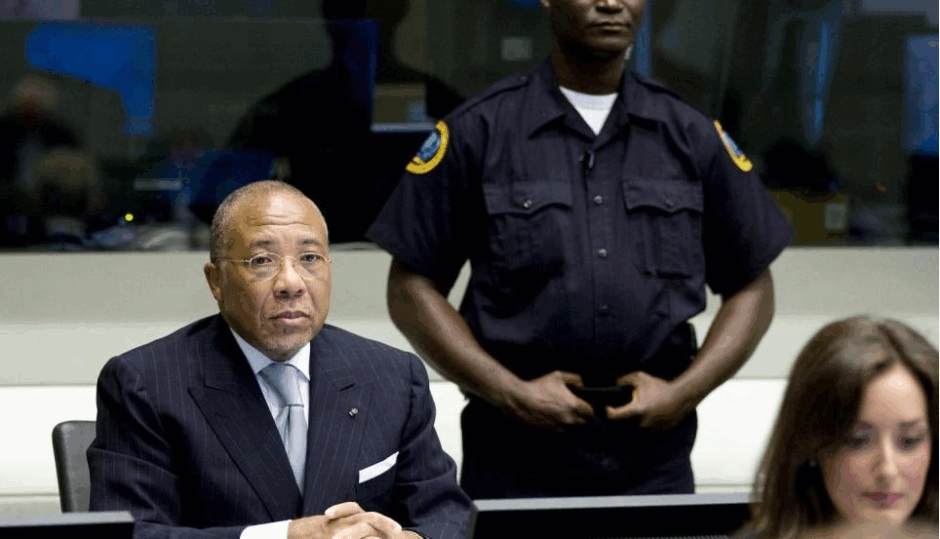
Liberia has had trial runs for the security challenges it might face. The first came in the trial of former president, Charles Taylor, at the Special Court for Sierra Leone, in 2006. Some court officials and nervous politicians argued that trying Taylor in Sierra Leone posed security risks to the country and the region, where Taylor still had control over fighters who could retaliate for his prosecution potentially destabilizing the region. Rapp disagreed but eventually Taylor’s trial was moved to The Hague, in the Netherlands at an exorbitant cost.
The choice of moving a trial to a European country would not be available to Liberia’s cash-strapped court. The Special Court cost more than $US300 million ($430 million in today’s dollars), 80 percent of what was spent on Taylor’s trial. Anyway, court advocates say it’s essential for Liberians to see justice done on home soil.
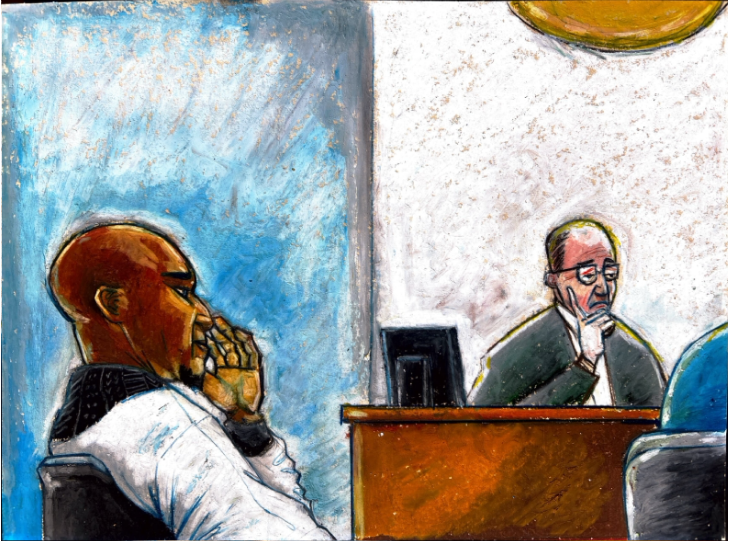
A second trial run came in the form of the trial of Gibril Massaquoi, the Sierra Leonean former warlord tried on charges of committing atrocities on behalf of Charles Taylor in Liberia between 1991 and 2003. The trial court, and an appeals court, held months of hearings in Liberia and Sierra Leone in 2021 and 2022. The hearings were held in a Paynesville hotel and while not open to the public, they were covered extensively by Liberian newsmedia. More than 80 witnesses appeared with no apparent incidents of violence. (Massaquoi was acquitted in 2024 when the appeals court agreed with a lower court ruling that the prosecutors did not prove “beyond a reasonable doubt” Massaquoi that committed the crimes of murder, rape, torture, and recruitment of child soldiers with which he was charged.)
There have also been 7 trials of accused Liberian warlords in courts in the United States and Europe. All have been extensively reported inside Liberia across radio stations in the country.
While witnesses who testified at those trials have reported being threatened by the accused and their allies, there has yet to be a physical attack or any hint of an organized military operation. John Stewart, a commissioner of Liberia’s Truth and Reconciliation Commission, who himself testified in two trials in France of Kunti Kamara – convicted of committing atrocities as part of the Ulimo rebel faction in 1993 – says the lack of violence from these trials has shown Liberians that the courts opponents are wrong.
“I think the Liberian people do not have any appetite to return to conflict,” says John Stewart, Truth and Reconciliation commissioner. “They have a distaste for war and violence. If the court is set up, they need to take all the necessary security precautions based on their threat analysis.”
But the costs of security will likely be a major constraint. Experts say Liberia’s court will face big challenges just finding the funds to get off the ground. Even before massive cuts to U.S. aid by incoming President Donald Trump donors were making it clear to the government that the funds available may not add up to much more than $US10m. (Beth Van Schaack, Ambassador-at-Large for Global Criminal Justice during the Biden administration, had provided technical support to the Office of War and Economic Court of Liberia and lobbied Congress for financial support. She also advised court officials look to smaller courts like the $US14m trial of Chadian dictator Hissene Habre, held in Senegal, as “right-sized” for Liberia.)
Though the perpetrator thought most likely to cause trouble, Prince Johnson, is now dead, security experts say it will be a mistake to underfund security.
“How do you protect the courts?” asked Cecil Griffiths, head of the Liberia National Law Enforcement Association and a key adviser on national security issues. “How do you protect the prison facility for the pretrial detainees and when they, if they are eventually sentenced? How do you protect that facility where they will be housed? These are issues that we need to start the conversation on right now, even as we prepare work on the court. Security is critical to this courts, and the issue of security should not be an afterthought.”
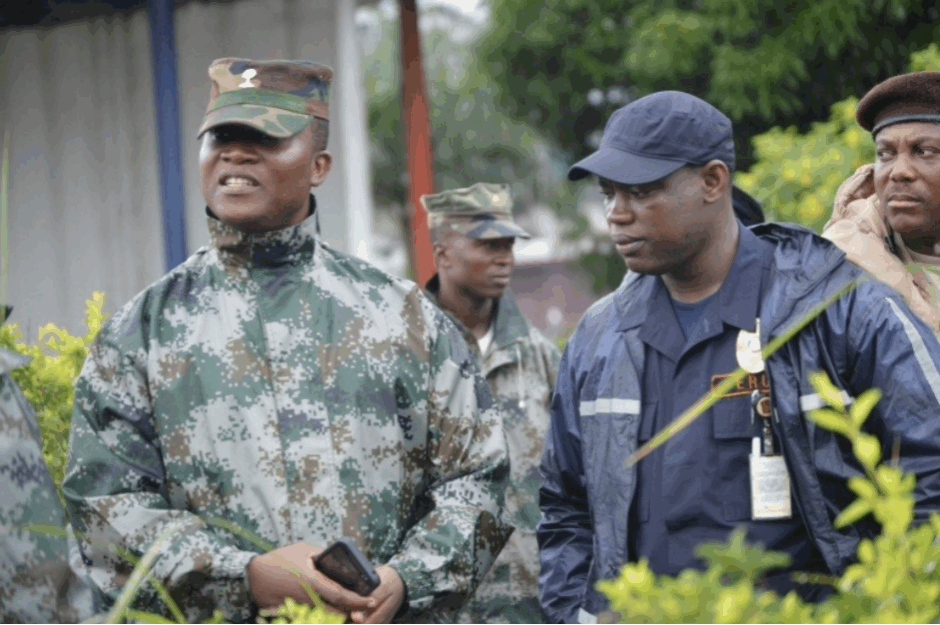
The international community led by the United Nations, provided specialized trainings for state police in Sierra Leone and other countries that set up war crimes tribunals. Last June, President Joseph Boakai requested financial and technical assistance from the UN. A technical team from the UN has worked with the Office of War and Economic Crimes Court. Led by Jallah Barbu, a lawyer and its executive director, the Office is leading Liberia’s court designing process. The Office has presented a roadmap to the president.
The document says training will begin this October with plans to train at least 50 investigators for witness protection. They will be trained to consider trauma of themselves and their witnesses as well as the different challenges faced by women. The document says training will be facilitated by experts from ECOWAS, Interpol, the UN Peacebuilding Fund in The Gambia, the United Nations Interregional Crime and Justice Research Institute, and the EU Agency for Criminal Justice Cooperation.
It’s been more than 8 years since United Nations peacekeepers, who had provided security for Liberia, left the country. Liberian security forces have overseen the country’s security since then, including ensuring the successful conduct of two democratic presidential and legislative elections, as well as by-elections. Although there have been incidents that looked to threaten the peace – including violent clashes at the headquarters of the Coalition for Democratic Change, Liberia’s main opposition political party, in 2024 – the country has not experienced anything close to the violence of its two civil wars. The wars ended more than 21 years ago, killing about 250,000 people.
Threats from accused perpetrators have caused panic in some quarters. There are concerns that their supporters could also resist their arrests and prosecutions. But Tiawan Gongloe, a veteran Liberian human rights lawyer, disagrees, saying the many successful prosecutions of perpetrators in foreign courts have meant “the fear has shifted from the survivors and victims to the perpetrators.”
“Anybody who fought this war will lose his strength immediately once he’s handcuffed and no other person want to come near that person,” said Gongloe, who was the solicitor general under the Sirleaf administration when Taylor was handed over the Special Court through the UN. “None of the perpetrators has the ability to cause havoc here for many reasons: the child soldiers are today ministers, deputy ministers, police chiefs. They are in the army. They are working the diplomatic service. They are working in banks. They are married. They have children, grandchildren. They are not going to even the smallest degree support any of the perpetrators.”
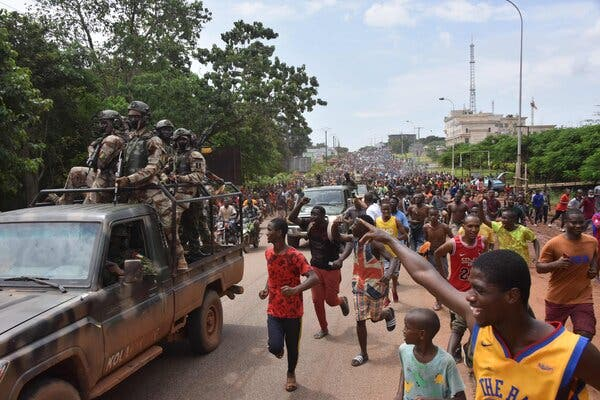
But security threats in the region make many nervous. Military regimes have taken over elected governments in several regional neighbors. The regime of Guinea, was accused of supporting rebels in its civil wars and a Guinean national allegedly looking to recruit Liberian rebel troops for a coup attempt caused an international incident in 2024. Regional leaders played active roles in fueling Liberia’s conflict. Liberia’s leaders did the same in their countries. But regional leaders have since worked hard to solidify peace. All four Mano River Union countries – Liberia, Guinea, Ivory Coast and Sierra Leone – have joined in committees on peace and security to protect the region.
“None of the three countries surrounding Liberia can open their doors to any potential war maker or troublemaker into Liberia,” said Hassan Bility a Liberian transitional justice expert. “And nobody should be in possession of arms here, illegally.”
All experts spoken to for this story say there’s no need for foreign troops to provide security for a war crimes court, judges, staff, defense and prosecution lawyers and the accused among others. But Griffiths says the army should be called upon to back up the police when the police are unable to handle certain situations. He says the police need specialized training from the US and Europe to protect the courts and officials.
“Right now, they need to start looking at their manpower; looking at the guys who are really good, preparing them, giving them some crash courses, and then trying to send them,” says Griffiths. “There are institutions abroad that specialize in training officers on how to conduct investigations on war crimes. You need security for the facility that will detain the alleged perpetrators even while they are on trial. You need also security for the facility that will finally house those that will be convicted.”
The next stories in this series will look at issues including reparations, staffing, the courts’ location and witness protection and investigations. This story is a collaboration with New Narratives as part of the West Africa Justice Reporting Project. Funding was provided by the Swedish embassy in Liberia. The donor had no say in the story’s content.