



By Aria Deemie, climate change reporter with New Narratives
Summary:
- Civil society warns Liberia’s vulnerable communities face worsening climate impacts despite years of policy commitments.
- Since 2024, government engagement has increased through consultations and pilot programs, but nationwide adoption of agroecology, early-warning systems, and local climate finance remains weak.
- Advocates call for immediate, people-centered measures that empower women, youth, and frontline communities, including scaling climate-smart agriculture, disaster preparedness, and equitable access to clean energy.
Liberia’s civil society and community leaders on Tuesday urged the government to accelerate action on climate justice, warning that vulnerable communities remain exposed to worsening climate impacts despite years of policy commitments.
The call came at the close of the National People’s Climate Justice Summit, a two-day meeting held December 15–16 at the Ministerial Complex that brought together government officials, lawmakers, civil society groups, farmers, youth leaders, academics, media, and development partners.
“Climate justice is not optional for Liberia,” said Loretta Pop-Kai, head of the National Civil Society Council of Liberia, as she read the summit’s joint communiqué. “We need policies and funding that reach the village level, empower women and youth, and protect our most vulnerable communities from the escalating climate crisis.”

Liberia contributes less than 0.04 percent of global greenhouse gas emissions, according to international climate assessments, yet remains among the countries most exposed to climate shocks. In 2024 alone, flooding displaced more than 100,000 people across at least 60 communities, while coastal erosion continues to claim up to three meters of shoreline annually in parts of Montserrado, Grand Bassa, and Sinoe counties. Agriculture—employing over 60 percent of Liberians—is increasingly threatened by erratic rainfall, land degradation, and declining soil fertility, deepening food insecurity and climate-induced displacement. Civil society groups say these realities expose a widening gap between national climate pledges and tangible protection for frontline communities.
The summit focused on agroecology, clean energy, climate finance, and disaster preparedness—priorities that civil society groups say have appeared repeatedly in past communiqués but remain poorly implemented. The demands echoed at this year’s summit build on commitments made at the 2024 National Stakeholders Summit on Climate Justice and follow the June 2025 call by Liberian civil society for transparency, tax justice, and stronger investment in climate resilience ahead of the Fourth International Conference on Financing for Development, citing underfunded adaptation programs and limited accountability.

Since then, government agencies, including the Ministry of Agriculture and the Environmental Protection Agency, have increased engagement around agroecology and climate-resilient farming, largely through consultations and partner-backed initiatives such as Soils4Liberia and small-scale farmer support programs. Civil society groups, however, say these efforts have yet to translate into significant budget reallocations or nationwide adoption of agroecological practices, raising questions about how far the government has moved from dialogue to delivery.
On climate finance, Liberia has taken steps to align national planning with international frameworks, including preparations linked to its Nationally Determined Contributions and post-COP30 processes. Officials have engaged development partners on domestic resource mobilization, but civil society leaders say most climate funds remain centralized or externally managed, limiting access for local governments, women-led organizations, and youth initiatives.
That gap between national commitments and local protection has been documented in previous FrontPage Africa/New Narratives reporting. Investigations published earlier this year found that while the government has expanded consultations around climate policy and financing, early-warning systems, disaster preparedness, and community-level adaptation remain underfunded or non-operational in many high-risk areas. During coverage of the first day of the National People’s Climate Justice Summit, Ma Kebbeh Monger, head of the Rural Women Structure of Liberia, said technical climate plans and funding pledges had yet to translate into practical support on farms and in villages, leaving communities exposed to flooding, heat, and food insecurity despite evolving national frameworks.
Climate impacts have continued to intensify. Agriculture, which employs more than 60 percent of Liberians, is increasingly threatened by flooding, erratic rainfall, and soil degradation, heightening concerns over food security and rural livelihoods.
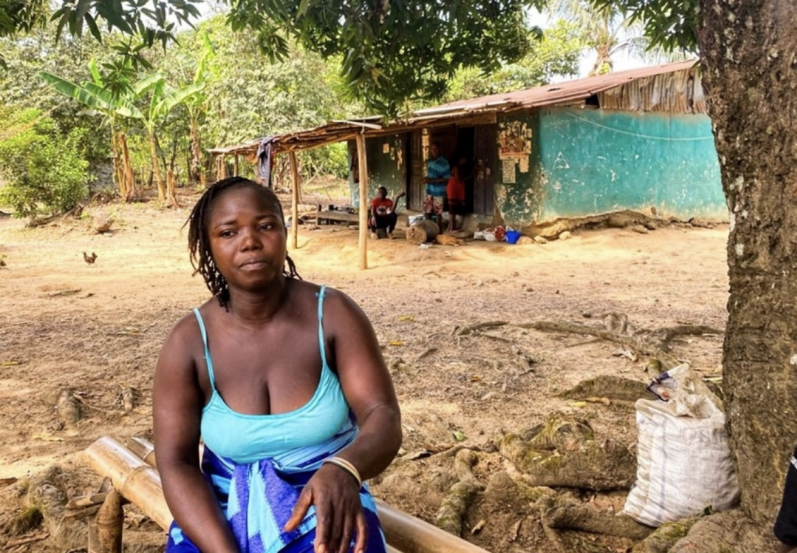
Civil society groups said the persistent gap between commitments and implementation underscores the need for clearer timelines, stronger enforcement, and public reporting on climate actions linked to the thirthieth Conference of the Parties outcomes and Liberia’s Nationally Determined Contributions obligations.
“Government plans and budgets cannot remain distant promises,” Pop-Kai said. “Communities need immediate action—early-warning systems, climate finance that reaches the local level, and support for women and youth on the frontline of climate change.”
Civil society organizations issued recommendations including scaling agroecology and climate-smart agriculture, strengthening disaster preparedness, securing land rights, improving transparency in climate finance, and expanding equitable access to clean energy. Women-led and youth-driven initiatives were repeatedly cited as critical to effective climate response.
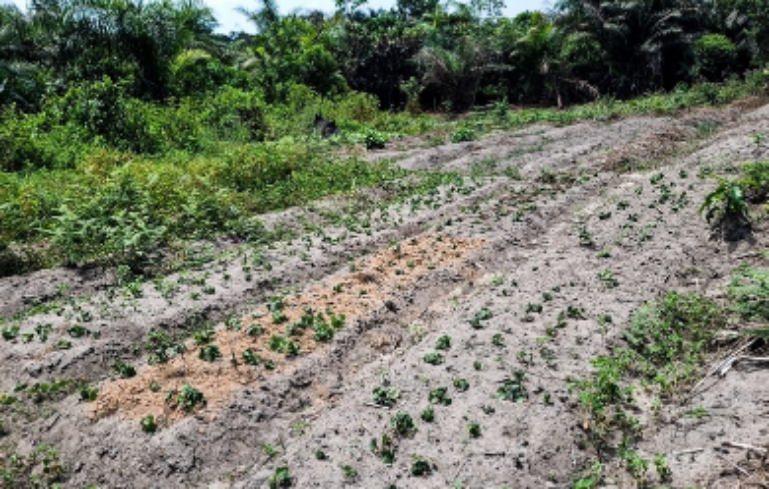
While the Boakai administration has taken some steps—including reviving delayed early- warning system projects and expanding the Environment Protection Agency’s technical capacity—experts note that public debt, limited domestic climate finance, and bureaucratic delays continue to constrain results.
Receiving the communiqué, Anthony Kollie, Environmental Protection Agency deputy director acknowledged the concerns. “Climate finance cannot remain a concept discussed only in boardrooms or international summits,” he said. “It must reach farmers, youth entrepreneurs, and frontline managers.”
This story is a collaboration with New Narratives. Funding was provided by the American Jewish World Service. The donor had no say in the content of this story.