
By Joyclyn Wea, gender correspondent with New Narratives
Summary:
- Liberia has launched its first national youth gender-based violence taskforce, less than two months after young people marched in Monrovia demanding stronger action against rape and sexual violence.
- The youth-led platform will report rape and sexual violence incidents and findings from their advocacy work to the Ministry of Gender and international partners.
- Advocates say the taskforce is historic, but its success will depend on funding and whether government officials including the gender ministry, law enforcement and the judiciary, do their jobs and reach rural areas, protect survivors, and prosecute crimes, all of which have mostly failed until now.
When young Liberians marched through the streets of the capital in March demanding stronger action against rape and gender-based violence, many wondered whether the government would simply receive their petition and move on.
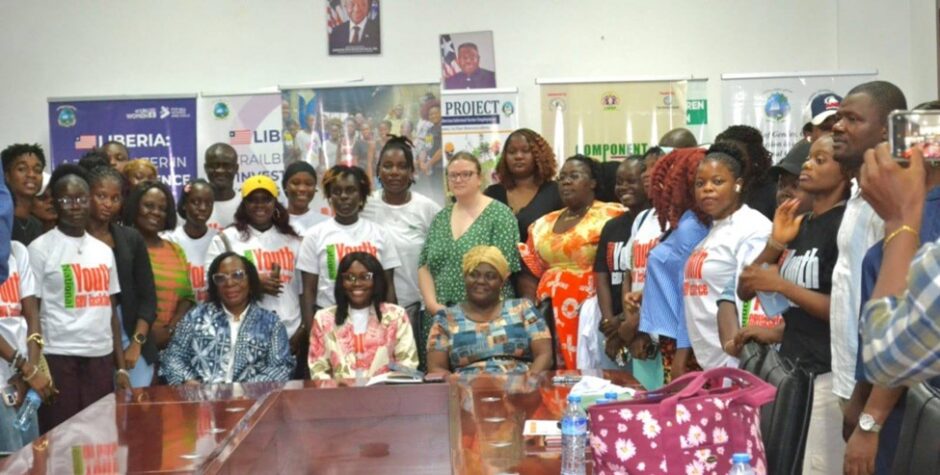
Less than two months later, the Ministry of Gender has answered that question with the launch of what officials and advocates say is a landmark step towards putting young people at the center of the country’s fight against rape, domestic violence, and other forms of harm directed at someone because of their gender.
“This is the first time in Liberia that young people have an exclusive youth gender-based violence task force — for the young people, by the young people, and of the young people,” said Titus Pakala, one of the youth leaders. “I feel excited that young people are given the space to contribute to the gender-based violence policy conversation.”
But the task force is being launched in a country where promises to fight rape have often failed to produce results. Six years after former President George Weah declared rape a national emergency, advocates say prosecutions remain low, survivors struggle to access safe homes and psychosocial support, and many families continue to settle rape cases informally.
The administration of President Joseph Boakai has promised that this time will be different.
“This task force does not duplicate existing efforts. It enhances and supports the important work already happening across the country,” said Laura Marvelous Golakeh, deputy minister for gender. “We are committed to thinking outside the box, engaging communities in innovative ways, and ensuring that young people remain at the center of prevention and advocacy efforts.”
The taskforce comes as Liberia’s major bilateral donors – the United States and Swedish governments – have pulled back support in this area. And as Liberia’s young population – making up two-thirds of the population – becomes a bigger focus of government policy. Experts say Liberia’s youth explosion is its greatest asset and its most pressing test — a demographic dividend that could fuel economic growth and democratic renewal, or, without jobs, education, and safety, a generation vulnerable to poverty, instability, and violence.
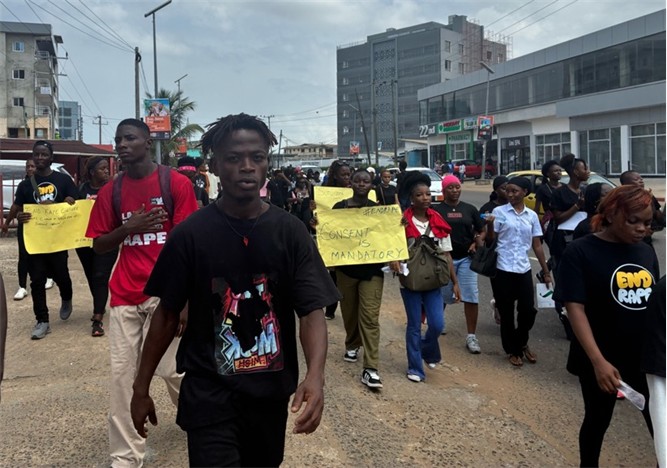
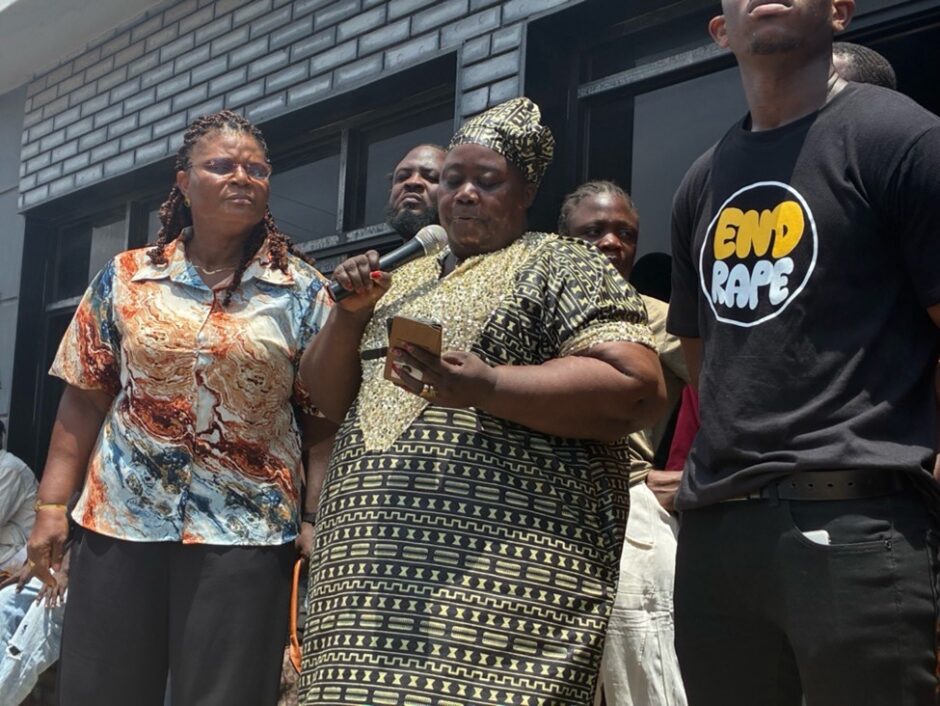
In March, dozens of young people marched from the John F. Kennedy Medical Center to the Women’s Peace Hub in Sinkor. At a rally, they read position statements and presented a petition to the Ministry of Gender. Their message was direct: Liberia’s response to rape and gender-based violence was not strong enough, and young people wanted a formal role in changing it.
The launch of the task force was held under the theme, “Promoting Youth Ownership in GBV Response and Prevention to End GBV in Liberia.” The task force is being funded by the Ministry of Gender and partners. Its reports will be received by the Ministry of Gender, Community Healthcare Initiative, the Swedish Embassy, the Irish Embassy, and Medica-Liberia.
Organizers welcomed the initiatives, saying the intended impact will benefit all members of society.
“When violence becomes normal, and redress is weak, women and girls feel unsafe in school, at work, and in public life,” said Hawa Wilson, program coordinator at Paramo Young Women Initiative. “That fear pushes them back and limits their full participation in society.”
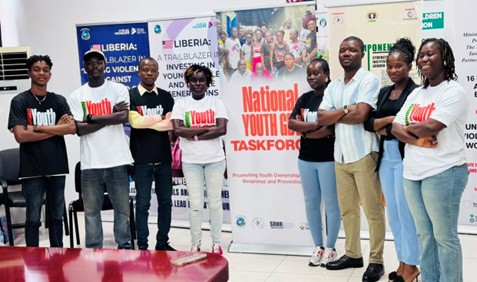
Pakala said the launch is only the beginning.
“I am very optimistic that young people again will be the drivers of GBV response and prevention in different communities — and ensure that we complement government and partner efforts in GBV across the country.”
Members of the task force will be required to have been actively involved in gender-based violence advocacy and part of a youth-led organization in Liberia. Rural inclusion is also key, with taskforce members already operating in Nimba, Lofa, and Margibi counties.
That rural presence is important because advocates say many cases outside Monrovia are underreported, settled quietly, or blocked by distance, lack of police presence, poverty, fear, and pressure from families or community leaders.
FrontPage Africa/New Narratives has been following the case of a 57-year-old grandmother from rural Montserrado who said she was asked for money to move her case through every step of the justice system, including jailing the accused offender. She has been pressured by family to settle, and her case was delayed for months because court officials lost the files in Liberia’s paper-based filing system.
Another case underscored the myriad challenges even in the capital. A Monrovia-based mother reported the rape of her 8-year-old daughter, saying she was repeatedly asked to pay fees before the suspect could be jailed and tried. Because the country has no detention facilities for juveniles, the accused offender was released back into the community with the victim, while he awaits a trial that in most cases never comes.
What the task force is expected to do
The taskforce’s roadmap runs to 2028 and identifies four major barriers to Liberia’s gender-based violence response: 1) fragmented coordination among government agencies, NGOs, and youth groups, 2) limited awareness of gender-based violence laws and rights among young people, 3) harmful social norms that silence survivors, and 4) weak enforcement of existing laws.
The taskforce plans to begin activities in June with a Youth GBV County Tour, taking awareness and advocacy to communities in all 15 counties. It also plans to train journalists on how to report gender-based violence cases responsibly and accurately.
Organizers say digital innovation will be central, with a gender-based violence case monitoring and tracking dashboard, a communication strategy focused on survivor advocacy, and an information-sharing platform between the task force, the Ministry of Gender, and partners. That platform is intended to help taskforce members share reports of gender-based violence incidents with the Ministry of Gender for action.
The task force also plans to engage traditional leaders, including chiefs and elders, to discourage informal settlements of rape and abuse cases. Advocates say such settlements often prevent survivors from getting justice and allow perpetrators to escape accountability.
Community awareness campaigns will focus on explaining Liberia’s anti-GBV laws in simple language so that young people, families, and local leaders understand both survivor rights and the legal consequences of abuse.
Quarterly review meetings with the Ministry of Gender and experience-sharing sessions with the broader National Gender-Based Violence Taskforce are also part of the plan.
Sexual Reproductive Health and Rights Champions-Liberia is serving as the lead organization on the task force. Other youth-led groups involved include Books Before Boys, the Federation of Liberian Youth, Healing Bridge Liberia, Liberia Safe Space Initiative, and Girls Get Equal. Organizers say the platform remains open to additional youth-led organizations working on gender-based violence prevention and response.
A long history of government failure
Liberia has laws meant to protect women and girls. The Rape Act, passed in 2005, amended the Penal Code to increase penalties for rape and create the offense of gang rape. The Domestic Violence Act, signed in 2019, criminalized domestic violence and broadened legal protection against abuse in the home, including physical, sexual, emotional, psychological, and economic abuse.
But advocates say laws have not been enough.
Liberia recorded nearly 4,000 gender-based violence cases in 2024, a figure that barely budged the following year. Experts say those numbers vastly undercount the true number. Stigma, lack of awareness of rape laws, lack of police presence, and family pressure discourage many victims from reporting cases. “Ending GBV is everyone’s responsibility,” Deputy Minister Golakeh said. “We encourage all Liberians to join us in speaking out, taking action, and building a safer and more just society for women and girls.”
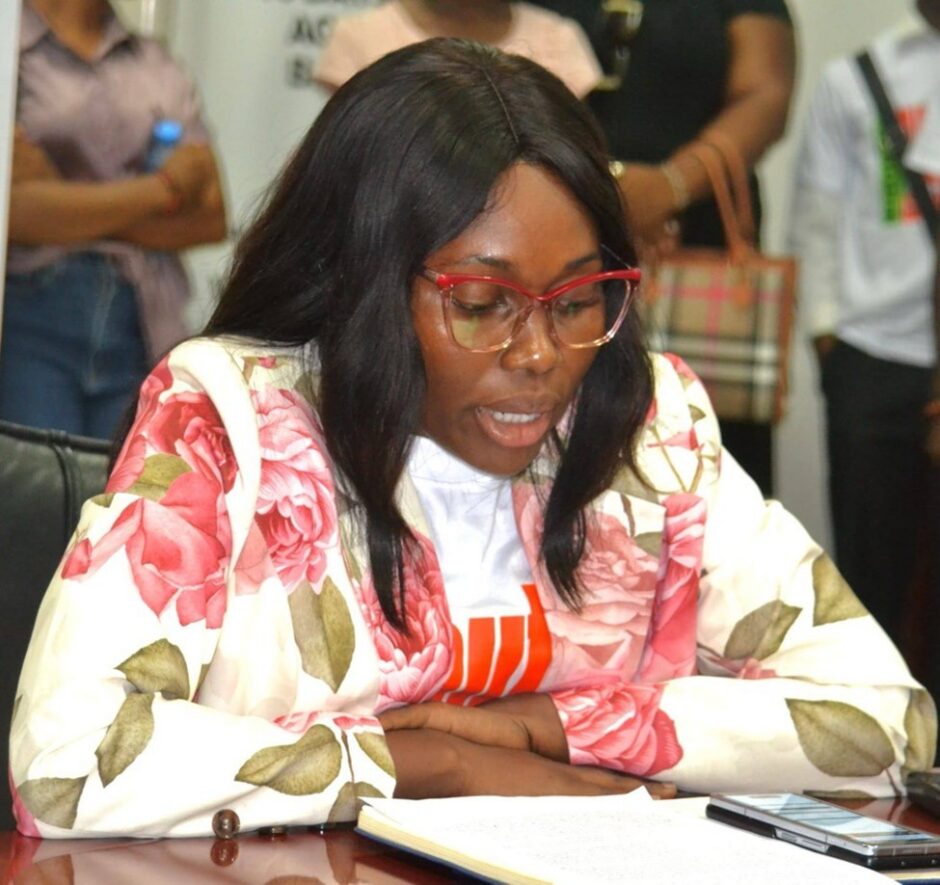
In 2020, former President George Weah declared rape and other forms of sexual and gender-based violence a national emergency. But women’s rights activists and civil society groups say many of those promises were either not fully implemented or remain difficult to verify.
The Weah government announced a $US2 million contribution to a special fund for sexual and gender-based violence. But a report by the Feminist Alliance found that $1.2 million approved in the 2020/2021 national budget for the fight against rape was instead disbursed to a project called “Safe Home for Girls.” FrontPage Africa/New Narratives later reported that no project by that name could be found. The report also said allocations for sexual and gender-based violence in 2022 and 2023 could not be verified as having been disbursed.
More recently, the Ministry of Finance allocated $150,000 in the supplementary budget toward safe homes and street children relocation as part of efforts to strengthen services for survivors. Women’s rights organizations welcomed the allocation but said funding must reach actual services and survivors.
The roadmap sets a target of having a fully functional task force by May 25. After that, advocates say success will be measured by results: whether reports from young people lead to action, whether rape cases are prosecuted faster, whether survivors in rural counties can reach safe homes and health services, and whether the Ministry of Gender’s 116 hotline becomes widely known among young Liberians.
This story was a collaboration with New Narratives as part of the Investigating Liberia project. Funding was provided by a private donor and the Swedish International Development Cooperation Agency. The donors had no say in the story’s content.