
Similar findings in an investigation in Liberia suggests the practice may be happening across the West Africa
By Jennifer Ambolley in collaboration with New Narratives
Summary:
● More than seven in 10 women surveyed by The Chronicle in Greater Accra said they take antibiotics every month, in the mistaken belief the drugs “clean” their bodies after menstruation or prevent infection.
● Doctors say the practice is fueling antimicrobial resistance which contributed to the deaths of 30,000 Ghanaians in 2019 and has likely since grown worse. A similar study in Liberia suggests the misinformation has spread across the region.
● Experts say weak enforcement of rules banning the sale of antibiotics without a prescription and a years-long freeze on hiring pharmacists into Ghana’s public health facilities are making the problem worse.
TAIFA, Accra- For four years, O. believed she was doing the right thing for her health. Every month after her menstrual period, she took the antibiotic amoxicillin, convinced it would “clean” her system and prevent infection as her friend had told her it would.
O. had begun taking the drugs when she was 31. Every month she would head to the community drug seller, buy the pills and take them over two days. She never asked a doctor about it. She didn’t have a prescription and the drug sellers never asked for one.
Years later O. married and tried to have a family with her husband. But for years they tried without success until at age 35, her prayers were answered with the birth of a baby girl. But the baby came prematurely and a month later came down with a fever.
“I thought it was because she was born before time,” O. recalls. “I took her to a nearby clinic, and they gave her medicine.”
But the baby’s condition worsened. She was referred to a regional hospital, where doctors diagnosed her with neonatal sepsis. None of the antibiotics available at the hospital curbed the raging infection. A week later the baby girl was dead.

Doctors were not surprised when they learned of O.’s history of antibiotic use, she said. The baby was born with antibacterial resistance they told her. Her tiny body could no longer respond to the antibiotics they had to treat her.
“I never imagined the medicines I was taking could have such consequences,” she saysnow, her voice full of emotion. “If I had known, I would never have taken antibiotics on my own.”
Doctors told O. her difficulty becoming pregnant could have been caused by the antibiotic misuse too.
O. is far from alone. As part of this investigation, The Chronicle, in collaboration with New Narratives, surveyed 150 women from different age groups, educational backgrounds and occupations in 20 communities across urban and rural areas of the Greater Accra Region.
Of those surveyed 107 — roughly two in every three — said they took antibiotics during menstruation every month. In many cases, they had done so for years.
More than half of the women who used antibiotics this way said they did so in the mistaken belief that the drugs prevent infection or “clean” theirbody after menstruation. Some also believed, incorrectly, that antibiotics would ease the pain or discomfort associated with periods.
Amoxicillin emerged as the most commonly used antibiotic among respondents. The survey sought a cross section of women by age, education and employment in Kasoa Opeikuma, Adam Nana, American Farm, James Town, Teshie, Chokor Dzorwulu, Asiomang , Bukom, Osu, Circle, Makola, Tema, Afienya, Dowenya, Tesano, Abeka, Ofankor Barier, Lapaz, Kaneshie and AchimotAma
Given the small size of the sample, experts say the findings should not be read as representative of the country as a whole, but they reflect antibiotic misuse numbers found in scientific surveys of the general population. Antibiotic misuse is a serious and growing problem in Ghana Studies show rates of misuse ranging from one in every three people in one rural Accra community to more than 75 percent of adults in the city of Tema during the COVID-19 pandemic.
“Menstruation is a natural biological process, not an infectious disease. The fact that so many women perceive it as an infection highlights important gaps in knowledge that need to be addressed,” says Rebecca Tettey, a microbiologist at the Department of Biological, Environmental and Occupational Health Sciences at the University of Ghana School of Public Health.
The danger is already showing up in Ghana’s hospitals and morgues. Hospital studies in Ghana have found that roughly half to two-thirds of hospital patients were on an antibiotic at any given time. Researchers say misusing antibiotics for common colds and coughs alone costs Ghana’s health system about US$20 million a year.
“Each time antibiotics are taken when they are not needed, susceptible bacteria are killed while those with resistance traits may survive and multiply,” says Tettey. “Over time, this contributes to antimicrobial resistance, making infections harder and more expensive to treat.”
Common infections such as urinary tract infections, pneumonia and wound infections become harder and more expensive to treat, often requiring longer hospital stays and newer medicines that are less accessible and more costly.
In November Glover Asiedu Appiah, a regulatory pharmacist at Ghana’s Food and Drugs Authority the Ghanaian Times that more than 5,000 people die in Ghana each year directly from antimicrobial resistance, with an additional 23,000 deaths linked to drug-resistant infections. One multi-hospital study found that 88 percent of the bacteria causing bloodstream infections could no longer be treated with multiple common antibiotics.
“Needless to say, we must protect the antibiotics we have at all costs before simple infections start becoming difficult and expensive to treat,” says Dr Harry Amoaning Okyere, Deputy Executive Secretary of the Pharmaceutical Society of Ghana.
The Chronicle and New Narratives commissioned the survey after a similar one in nearby Liberia revealed nine in 10 women were engaged in the practice. The newsrooms did not find that any other organizations had undertaken a study specifically focused on misinformation related to periods.
Ghana sits in the part of the world hit hardest by this problem: West Africa has the highest death rate from drug-resistant infections of anywhere on Earth, according to a major study in The Lancet. Babies like O’s are particularly susceptible to infection and without antibiotics infections are almost always fatal. Experts blame weak rules on buying antibiotics without a prescription, high hospital costs, long waits at clinics, low public knowledge about what antibiotics actually treat, and a freeze on hiring new pharmacists into Ghana’s public health system that has lasted since 2019.
It is against the law to sell antibiotics without a doctor’s prescription. Two laws make this clear: the Pharmacy Act of 1994 and the Health Professions Regulatory Bodies Act of 2013. The Food and Drugs Authority is in charge of enforcing these rules.
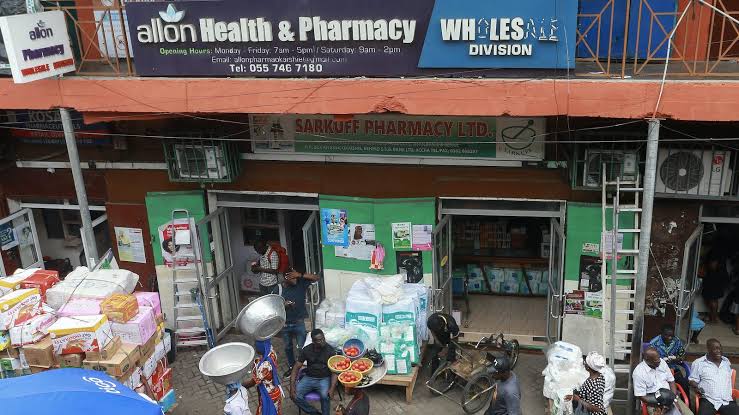
But many pharmacies and drug shops still sell antibiotics without asking for a prescription. Concerningly 27 percent of respondents in the Chronicle/New Narratives survey said it was drug sellers who told them to take the drugs. Sellers may be pushing drugs that they obtained cheaply,of uncertain quality and expiration, and they know the government rarely catches or punishes people who break the rule.
Antibiotic misuse leads to infertility in women and deadly antimicrobial resistance in babies
The reduction in effectiveness of antibiotics poses problems to everyone, but overuse poses specific dangers to women. It is potentially catastrophic for women who are already facing a range of major health challenges. Experts say taking antibiotics every month wipes out beneficial bacteria in the gut and vagina, and with monthly use, the body never fully recovers between rounds.
Over time, this disrupts blood sugar regulation, weakens the immune system, and raises the risk of chronic conditions like heart disease and type 2 diabetes. It also destroys the protective bacteria in the vagina, ironically making women more vulnerable to the yeast infections and bacterial vaginosis the drugs are supposed to prevent.
Repeated use also raises the risk of severe gut infection that causes persistent diarrhea and can be life-threatening.
Misuse leaves women powerless to beatinfections and vulnerable for life
For more than a year, 27-year-old Ama believed she was taking good care of her reproductive health and preventing infection by taking Flagyl,the antibiotic and antiparasitic,after every menstrual period for three days, each month. The practice became routine for the university graduate, and like many women, she never questioned the advice she had received from one of her neighbors when she was 25.
A year later when she developed symptoms ofa bacterial vaginosis, common vaginal infection caused by a bacterial imbalance, sherelied on the antibiotics she bought herself to treat it. But the infection got worse.
After doctors treated her in hospital the infection subsided but ithas since recurred repeatedly. Doctors told her the antibiotics havebecome less effective because of her long history of unnecessary antibiotic use.
“I thought it was normal for every woman to take antibiotics every month after their period. I didn’t know I was harming myself,” says Ama.
She’s now on her fourth course of antibiotics. She knows this might now be a lifelong challenge and is talking to this journalist in an effort to help other women.
“I don’t want any woman to make the same mistake I made,” she says. “Go to the hospital if something is wrong. Don’t keep taking antibiotics because someone tells you they will help.”
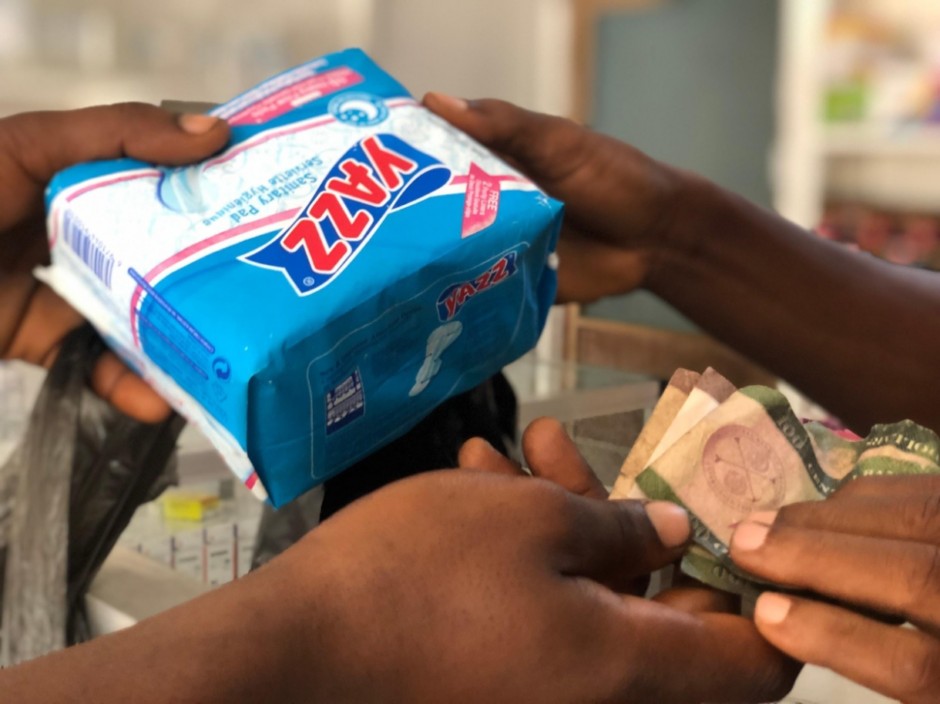
Menstrual pads being bought at a local drugstore Credit: Gloria Wleh with New Narratives
Doctors say periods are perfectly normal bodily process and do not require antibiotics to treat them
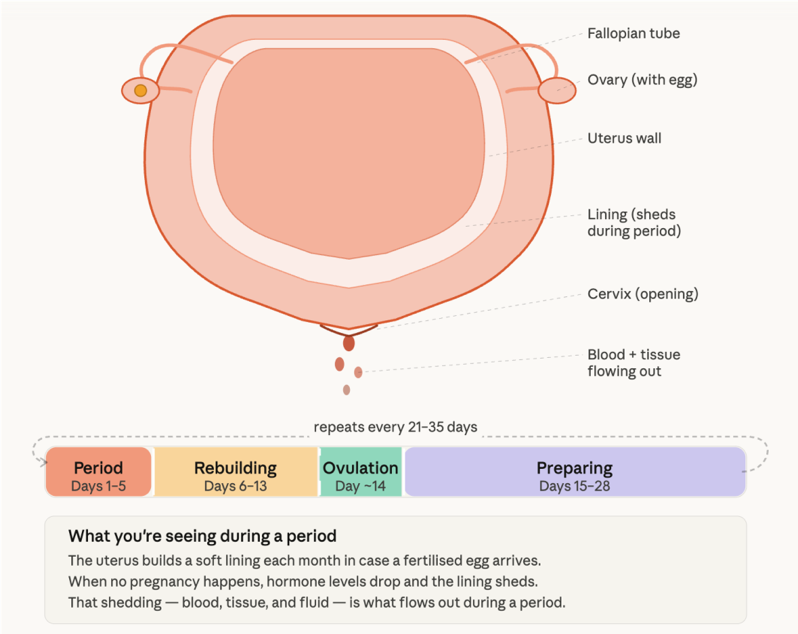
A period is the monthly bleeding that happens to girls and women, when the uterus, the place where a baby can grow, builds a soft lining in anticipation of a fetus every month. The ovaries release an egg through a tube toward the uterus and if the egg is not fertilized by a sperm for pregnancy to happen, the body sheds the lining of the uterus, which comes out as blood.
“Some people believe they need to cleanse their system after menstruation, but there is no scientific basis for that,” says Dr Chris Opoku Fofie, an obstetrician-gynecologist and Deputy Director for Reproductive and Child Health at the Family Health Division of the Ghana Health Service. “There is absolutely no need to take antibiotics before, during or after menstruation unless a qualified healthcare professional has diagnosed an infection and prescribed the medication.”
Dr Fofie says women experiencing menstrual pain should use over the counter painkillers like paracetamol/acetaminophen or ibuprofen first and see a doctor if pain persists.
“There are medications specifically meant to manage the pain. Antibiotics are not painkillers and they do not treat normal menstrual symptoms.”
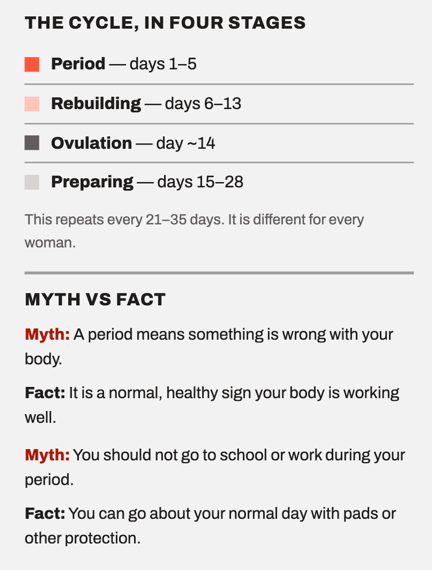
Experts say awareness campaigns and enforcement are needed to counter the lack of reproductive health education and rampant misinformation.
Experts say the survey puts a spotlight on the failure of governments to educate Ghanaians about their bodies and basic medicine. With low levels of reproductive health education they have been left at the mercy of misinformation.
Forty of the 150 respondents said they were introduced to the practice by friends, while others cited relatives, social media and medicine sellers as sources of information.
“Women need accurate information about menstruation and communities need a better understanding of what antibiotics are designed to treat,” Tettey says.
Tettey called for stronger public education campaigns on menstruation and responsible antibiotic use, greater community engagement, improved health literacy, stricter enforcement of regulations governing antibiotic sales, and antimicrobial stewardship programmes to preserve the effectiveness of existing antibiotics.
“A lot of people are getting health information from unverified sources,”echoesDr Harry Amoaning Okyere, Deputy Executive Secretary of the Pharmaceutical Society of Ghana. “Sometimes these misconceptions spread quickly, and people begin practicing them without understanding the consequences.In my experience, many people believe antibiotics can solve everything. If they used a medicine before and felt better, they are likely to use it again for a completely different problem.”
Dr Okyeresays the problem needs stronger antimicrobial stewardship measures and better resourcing of the healthcare system. He noted that Ghana’s government has not hired pharmacists into permanent positions in the Ghana Health Service since 2019 placing additional pressure on already overstretched healthcare teams and weakening efforts to promote responsible antibiotic use in facilities and communities.
A Pattern That May Stretch Across West Africa
The pattern documented in Accra echoes findings from a sister investigation in nearby Liberiawhere a survey of 109 women in rural and urban Montserrado County found an even starker picture: more than nine in 10 respondents said they take antibiotics every month — a practice one Liberian expert called a national emergency. A 2021 study by researchers at Washington University found antimicrobial resistance was linked to more than 4,000 premature deaths in Liberia that year, making it the fifth-largest killer in the country; experts say the toll has almost certainly grown since.
Taken together, the two investigations suggest the practice is likelyhappening at high rates across West Africa, driven by many of the same gaps in reproductive health education, the same reliance on informal advice from friends and medicine sellers, and the same weak enforcement of rules meant to keep antibiotics behind a prescription pad.
Four years later O. says she still carries the pain of losing the daughter she waited seven years to have. She has not become pregnant again but she has not given up hope. She is hopeful that her chances have improved now her own health has improved.
“There has been a drastic improvement in my health,” she says. “I don’t take antibiotics on my own anymore. If I’m not feeling well, I go to the hospital and let the doctors decide what treatment I need.”
Like Ama, O. is also sharing her story to save other women and their babies from the same outcome.
“If my story can stop even one woman from misusing antibiotics, then I know [her] life will continue to make a difference.”
This story was a collaboration with New Narratives.