
By Albert Oppong-Ansah
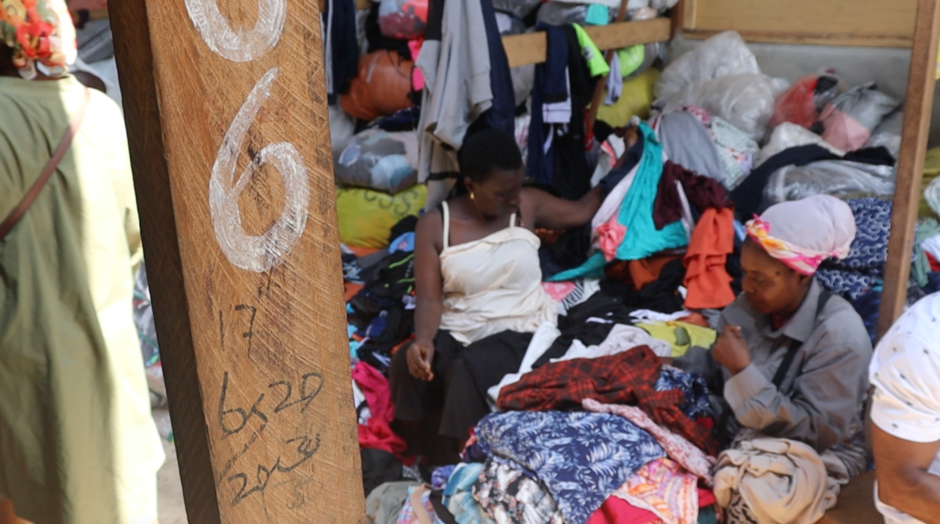
Not too long ago, every morning would have found Linda seated next to her friend Ruth Odom, at their small stalls at Accra’s Kantamanto market, in one of the largest secondhand clothing markets in the world.
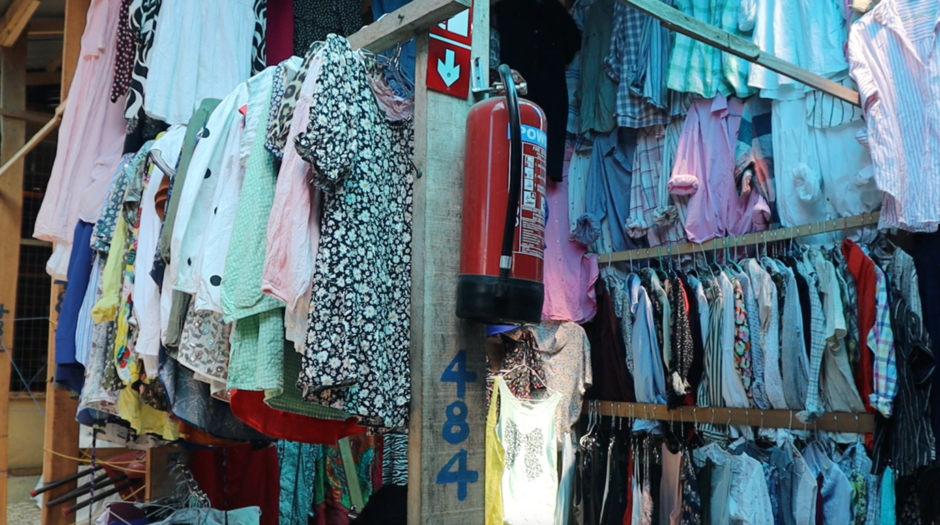
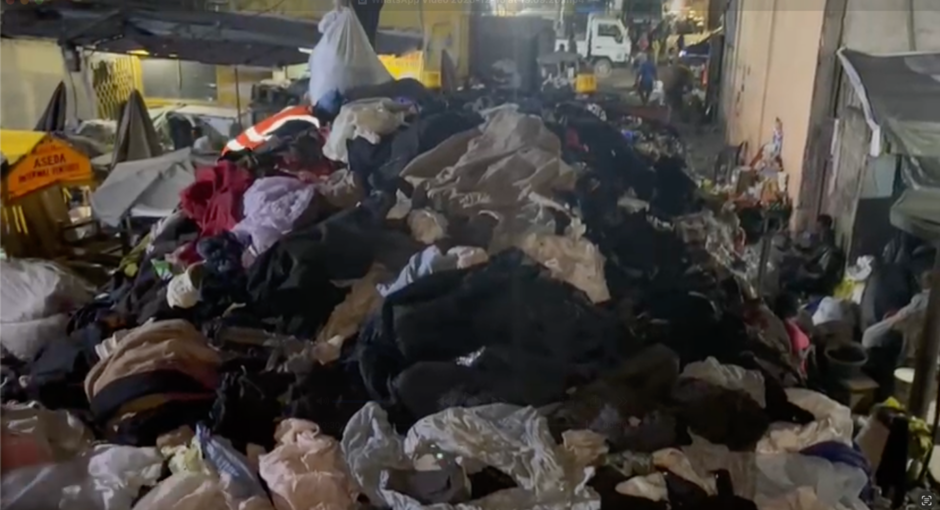
Before them would lie piles of clothes in different colours and sizes – polo shirts, jeans, dresses and shirts – packed in bundles waiting to be given a second life, resized and reshaped for the Ghanaian buyer. The so-called “fast fashion” brands like Primark, H&M, Georges, GAP, and Old Navy are familiar in Europe and the United States where these clothes were sold to their original owners.
Those days are gone now. Both women have abandoned the market, fearful of impact of their profession on their health. Linda, whose Jehovah’s Witness religion does not permit her to speak to the media, asked that her last name not be used.
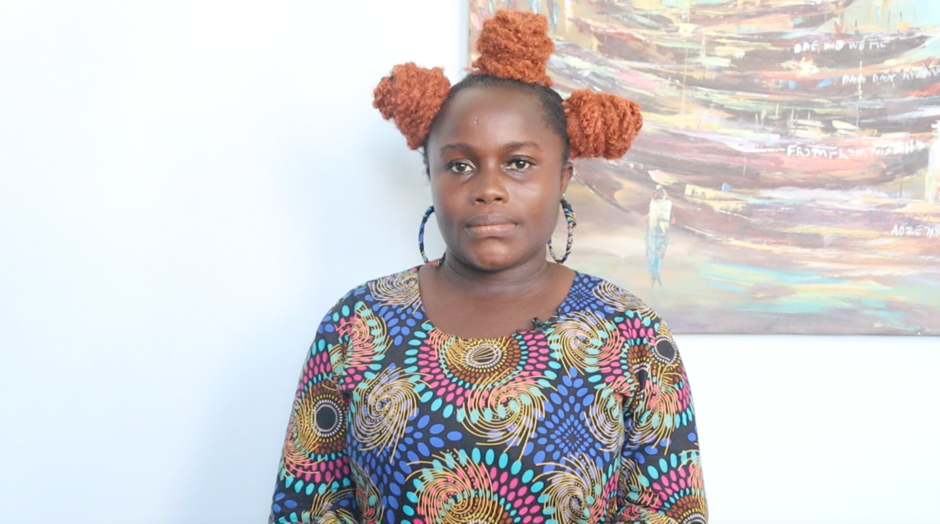
“It started when Linda began feeling unwell and losing weight continuously, which worried all of us,” said Ruth, in her native Twi. “Several visits to the hospital showed a deposit of ‘dust’ in her lungs.”
Linda brought her nearly a decade of work at the Kantamanto to an abrupt end. Obeying the instructions of the doctor and taking her medication improved her health.
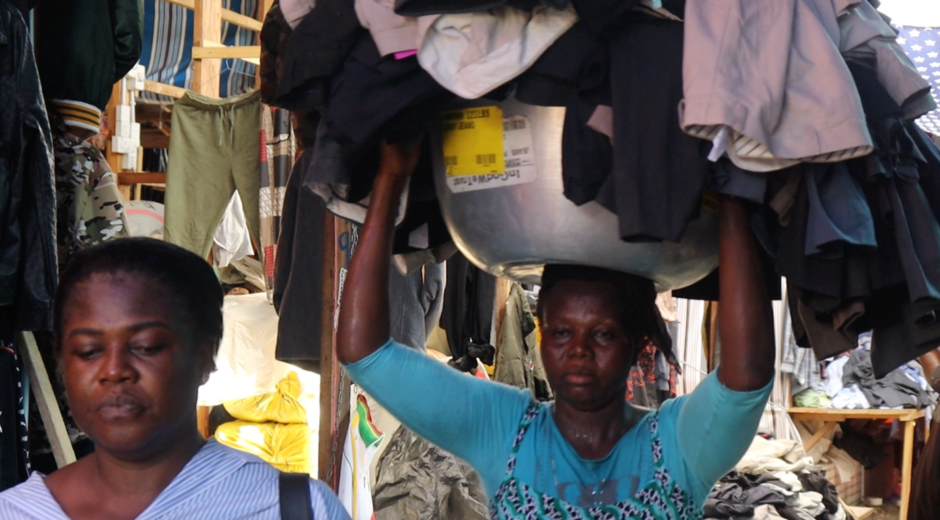
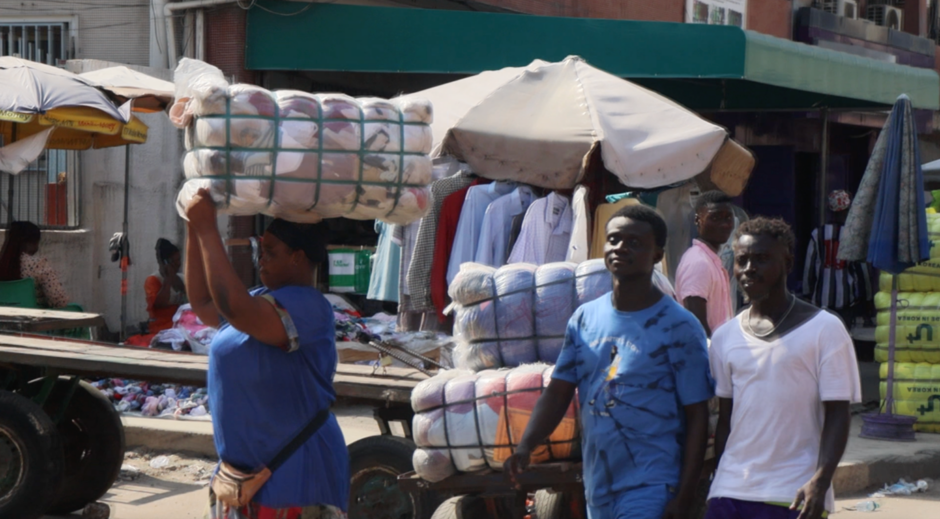
Linda’s story reflects a wider, largely unseen health risk facing thousands of workers in Ghana’s second-hand clothing markets. At Kantamanto alone an estimated 15 million pieces of used clothing pass through every week. Many imported clothes are made from synthetic materials such as polyester and nylon. As bales of used garments are opened, shaken, cut and reworked, they release microscopic plastic fibres into the air.
Traders inhale these particles daily, often without protection or awareness. Behind the colours and commerce of Kantamanto, experts say the real cost of fast fashion is quietly being paid with workers’ health.
Last April Ruth, Linda and other women here learned exactly how dangerous this was. The Or Foundation, a Ghana-based organization working to improve the lives of workers in Kantamanto, commissioned a team of scientists to test the level of microfibers in workers’ bodies. Preliminary findings were concerning.
“I can tell you that we have done some sampling of spit and of urine and we have even actually looked at feces. We have looked at breast milk. I can tell you broadly that we have found microfibers in all of that,” said Mr Branson Skinner, a co-founder of the foundation.
Testing found signs of restricted lung function among many traders, causing symptoms such as shortness of breath, wheezing and persistent coughing. Four in every five workers reported eye-related problems, including irritation, conjunctivitis and difficulty reading labels.
Skinner cautioned the results are still preliminary. Analysis is ongoing. “As we wait to publish the results, our focus is on improving access to healthcare for market members as the need is clear.”
GNA also tested the air pollution in the market with a portable sensor. Over seven Saturdays the device consistently showed pollution of the most dangerous air pollution particles at the second highest of five levels, meaning the air was “very polluted. It may cause respiratory illness in people on prolonged exposure.”
Experts say these tiny microfibres can be inhaled deep into the lungs, potentially causing irritation, coughing and respiratory stress, and they may carry chemical dyes and additives that add toxic burden to the body. The smallest particles enter the bloodstream where they impact all the bodies organs causing or worsening a range of illnesses including diabetes, heart disease, infertility and cancer. Microfibres could contribute to blindness, through eye irritation, infection and long-term damage.
“Microfibres are largely chemical in nature. When we see them in traders’ secretions, it means their work environment has become hazardous,” said Dr Louisa Ademki Matey, municipal director of health at the Accra Metropolitan Assembly. She described the Or Foundations findings as alarming.
“The presence of microfibres in fecal matter suggests ingestion, which can lead to bowel irritation and frequent defecation,” Dr Matey said. She added that chemical exposure from microfibres may increase the risk of serious diseases, including cancer, if immune responses become excessive.
She warned that children and pregnant women are especially vulnerable. Children may develop digestive disorders, while exposure during pregnancy could harm unborn babies and increase the risk of miscarriage or stillbirth.
Checks made by the GNA found thrift traders working in Kumasi, Tamale and Takoradi in similar conditions with no protections.
The pollutants also go into the soil and waterways putting thousands more Ghanaians at risk. With Ghana’s poor waste systems, large amounts of damaged or unsold clothing are dumped or burned, allowing microfibres to spread through nearby communities and waterways. The fibres can carry harmful chemicals and pollute rivers and the sea, where fish and other animals ingest them.
Large volumes of second-hand clothing end up in Ghana because wealthy countries produce far more clothes than they can use. So-called “fast-fashion” brands make cheap garments, often containing synthetic materials that shed harmful microplastics and wear out quickly. In countries such as the United Kingdom, the average person buys about 44 new items of clothing each year, discarding clothes at an increasingly fast rate. As a result, charities and clothing collectors in Europe and North America are left with large amounts of low-quality donations, which they sell to traders instead of recycling.
Many of these unwanted garments are placed in donation bins and then exported to markets like Kantamanto. Advocates say this practice unfairly shifts the environmental burden of waste and pollution onto low-income countries that are least equipped to manage it.
Ghana has become a major destination for this trade. In 2021, it was the world’s largest importer of used clothing, with $214 million worth of garments entering the country. Accra has also become a major dumping ground for electronic waste from wealthier countries, compounding the city’s environmental challenges.
Experts warn the problem is only growing. “It is a volumes over value business model that is threatening to collapse the global secondhand trade, including markets like Kantamanto,” said Skinner.“Polyester, which has no growth cycle and is therefore cheaper and seemingly unlimited compared to cotton, is the root of the issue. People should be very concerned because there are no solutions to the growing amount of plastic clothing. No country has the infrastructure to manage its textile waste but the Global North, which overconsumes fast fashion, uses the secondhand clothing trade as an outlet so that they do not have to face the consequences of this problem.”
Ghana’s government is in a bind. The industry provides a livelihood for thousands of poor people in Ghana that is not easily replaced.
“The waste we collect from Kantamato has increased by more than fourfold,” said Mr Solomon Noi, director of Waste Management at the Accra Metropolitan Assembly. “This is being compounded by fast fashion. Our dump site is getting full fast and if care is not taken, we will find it difficult to get a place to dump our waste”.
On a recent visit to the market, vendors shouted out their prices and called to shoppers. Tailors sat in dim corridors stitching torn hems and transforming rejected clothing into wearable pieces. Laundry workers scrubbed stubborn stains until their hands burned, while others bathed in sweat as they pressed cloths. Designers bent over heaps of discarded garments, searching for hidden gems to upcycle into bold fashion while “Kanta” boys, who clean up the waste, load it onto the track to be sent to the landfills site every night.
This is the daily reality for thousands of actors in Kantamanto Market. All of them are at risk.
“All the people in the value chain are exposed,” said Mr Desmond Appiah, country lead of
the UK based charity the Clean Air Fund, “The bales are often compacted so as soon as it is
open the pollutants emerge. Both patrons and sellers shake these cloths unknowing of the
concerning health consequences. Some of these clothing is almost at the end of life and
comes with other health hazards apart from the exposure. It has health cost.”
The Or Foundation has supported many traders like Ruth by providing training and financing
some basic health cost like providing spectacles to traders with eyes issues.
Ruth took a step back to learn new ways to make use of waste fabric in a less hazardous way.
The Or Foundation trained her to produce tote bags, hats, laptop covers and different types of
yarns made from cotton which is much safer. Linda is now engaged in petty trading of daily
household items such as soap, tinned food, oil and rice. She is not making as much money as
she would have in Kantamato but says her health is her priority. But not everyone has the
A head Porter carrying bale of use clothing
option of leaving the industry. Without help retraining in new livelihoods Ruth and Linda said
they would have had no choice but to keep getting sick.
Experts say that, at a minimum, traders should be wearing nosemasks, goggles and gloves
and ensuring there is plenty of ventilation when they work with the fabrics. They are
encouraged to exercise regularly, visit the hospital to assess their health especially, eyes,
blood pressure and lung function.
Under immense pressure from suffering communities, the—government has drafted a bill labeled the Extender Producer Responsibility Law. It is meant to make the companies that make or import products take responsibility for the waste those products create. Under the law, businesses that bring electronics, plastics, packaging, or other goods into Ghana must help pay for their collection, recycling, and safe disposal when they become waste.
Importantly, this includes second-hand goods from abroad, because importers are treated the same as producers. The money collected is used to support safer recycling systems and reduce harmful practices like open burning, which damage health and the environment. The idea is simple: instead of leaving communities and the government to deal with pollution, the companies that profit from these products should help manage the waste they leave behind.
“We have developed a first draft with the involvement with the World Bank which is about to be discussed,” said Lawrence Kotoe Deputy Director Petroleum at the Environmental Protection Agency. Kotoe expects the bill to go to parliament before the end of the year.
While the bill would provide funding when passed, the Ghana Garment and textiles roadmap seeks to promote a “circular economy” that reuses, repairs, and recycles instead of wasting.
It will be a bridge between policy and action guiding the country’s transition according to Mr Godfred Fiifi Boadi, Head of Climate Action Sustainability and Partnership at the Ministry of Local Government and Chieftaincy Affairs.
Mr Appiah acknowledged the importance of regulations in the reducing exposure of thrift business actor to air pollution, but said government must lead with the development of infrastructure and not cede its responsibility to the private sector.
This story is a collaboration with New Narratives as part of the Clean Air Reporting Project. Funding was provided by the Clean Air Fund which had no say in the story’s content.