
By Anthony Stephens, senior justice correspondent with New Narratives
Summary:
- International justice experts are urging Liberia to explicitly criminalize forced marriage – widespread during the wars – in the statute of its proposed war crimes court, warning that unless the abuse is clearly named, it risks being overlooked.
- Some of the six draft bills that have been put forward for the court include forced marriage as a crime against humanity, but some do not.
- Liberia’s domestic law does not criminalize forced marriage, despite its international commitments to outlaw the practice.
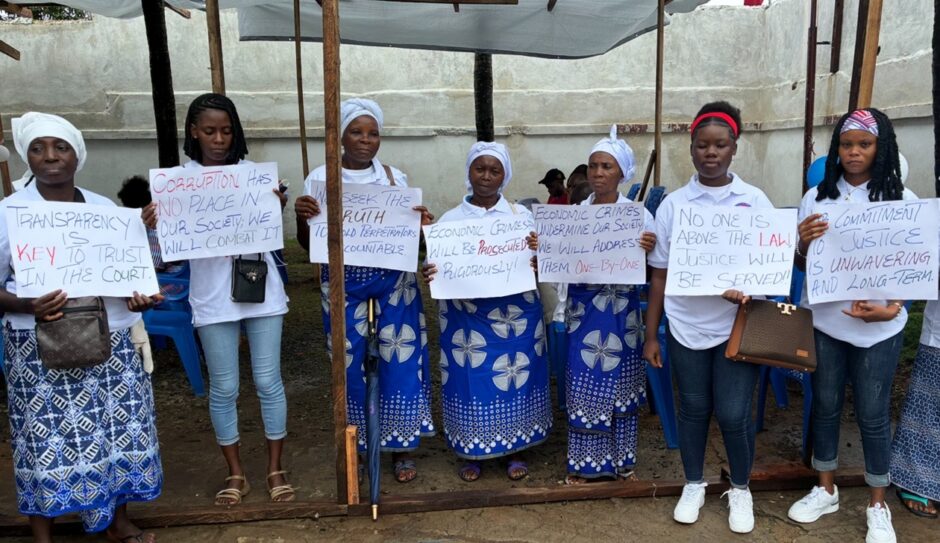
As Liberia intensifies debate over establishing a long-awaited war crimes court, justice experts are urging lawmakers to explicitly criminalize forced marriage in the court’s founding statute, warning that failure to do so risks sidelining one of the civil wars’ most pervasive abuses.
One of these experts, Elise Keppler, executive director of the U.S.-based Global Justice Center and who covered Liberia for more than two decades with Human Rights Watch, said it was “incredibly important” that forced marriage is named among prosecutable offenses as the Legislature considers six competing bills to create the court. The bills have been drafted for a war and economic crimes court, reflecting a reenergized campaign for accountability more than two decades after Liberia’s civil wars officially ended.
Draft bills submitted by the Liberian National Bar Association and a coalition of civil society groups led by the Independent National Commission on Human Rights, list forced marriage under crimes against humanity. The bill prepared by the Office of War and Economic Crimes Court of Liberia—the body overseeing the court’s establishment—has not been made public and it is unclear whether that bill criminalizes the offense. Jallah Barbu, executive director of the Office, did not respond to requests for comment on the matter.
Bills introduced by Senate Pro Tempore Nyonblee Karnga-Lawrence and Lofa County Senator Joseph Jallah, which would prosecute civil war crimes under Liberian law, do not mention forced marriage. Under existing law, Liberia lacks a legal framework to prosecute war crimes and crimes against humanity, leaving such cases to international courts. All proposed bills must be debated and approved by the Legislature.
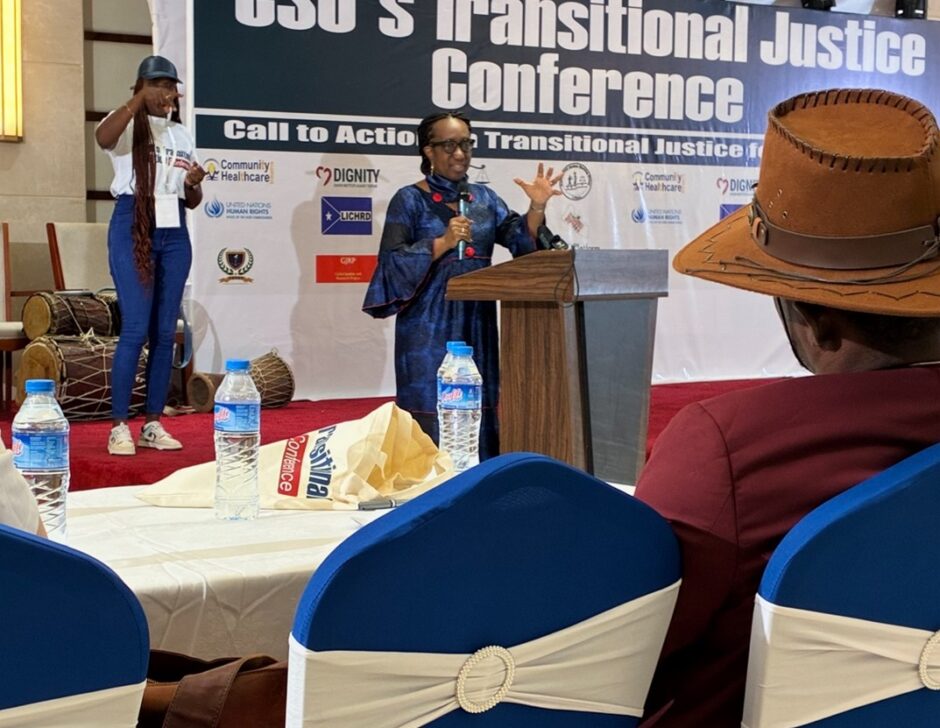
Speaking in an exclusive FrontPage Africa/New Narratives interview on the margins of a recent civil society transitional justice conference in Monrovia, Keppler emphasized that sexual and gender-based crimes were not incidental but central to the conflict.
“We know that sexual and gender-based crimes were pervasive in Liberia’s civil conflicts—horrific abuses, the use of so-called ‘bush wives’ for rebels throughout the conflict, mutilation, specifically seeking to undermine the social fabric of Liberia’s communities, attacking, in particular, pregnant women, elderly women, girls,” Keppler said. “We know that when harms are not expressly identified, it is easier for them to be overlooked or challenged.”
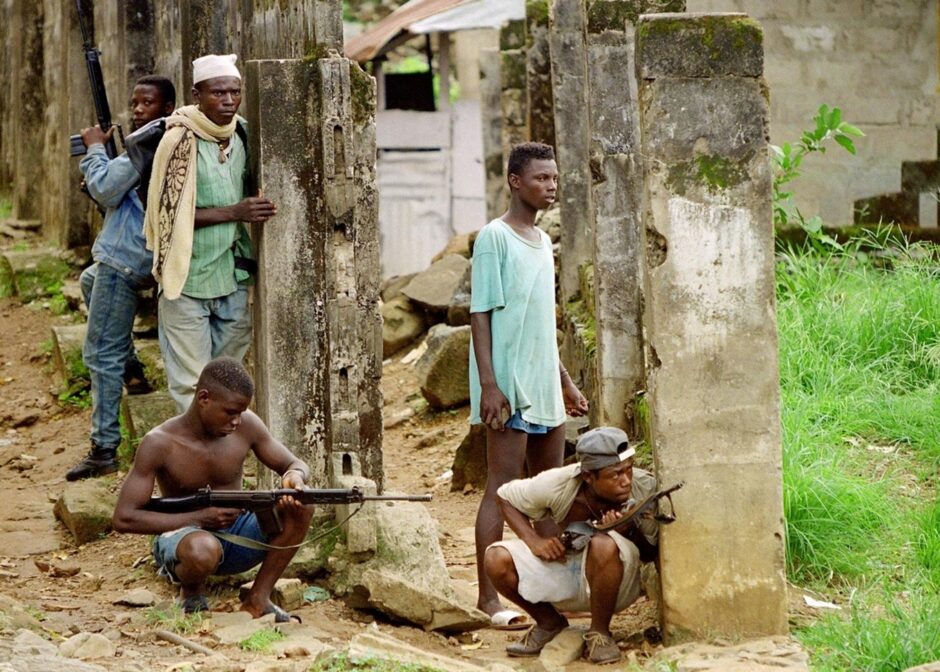
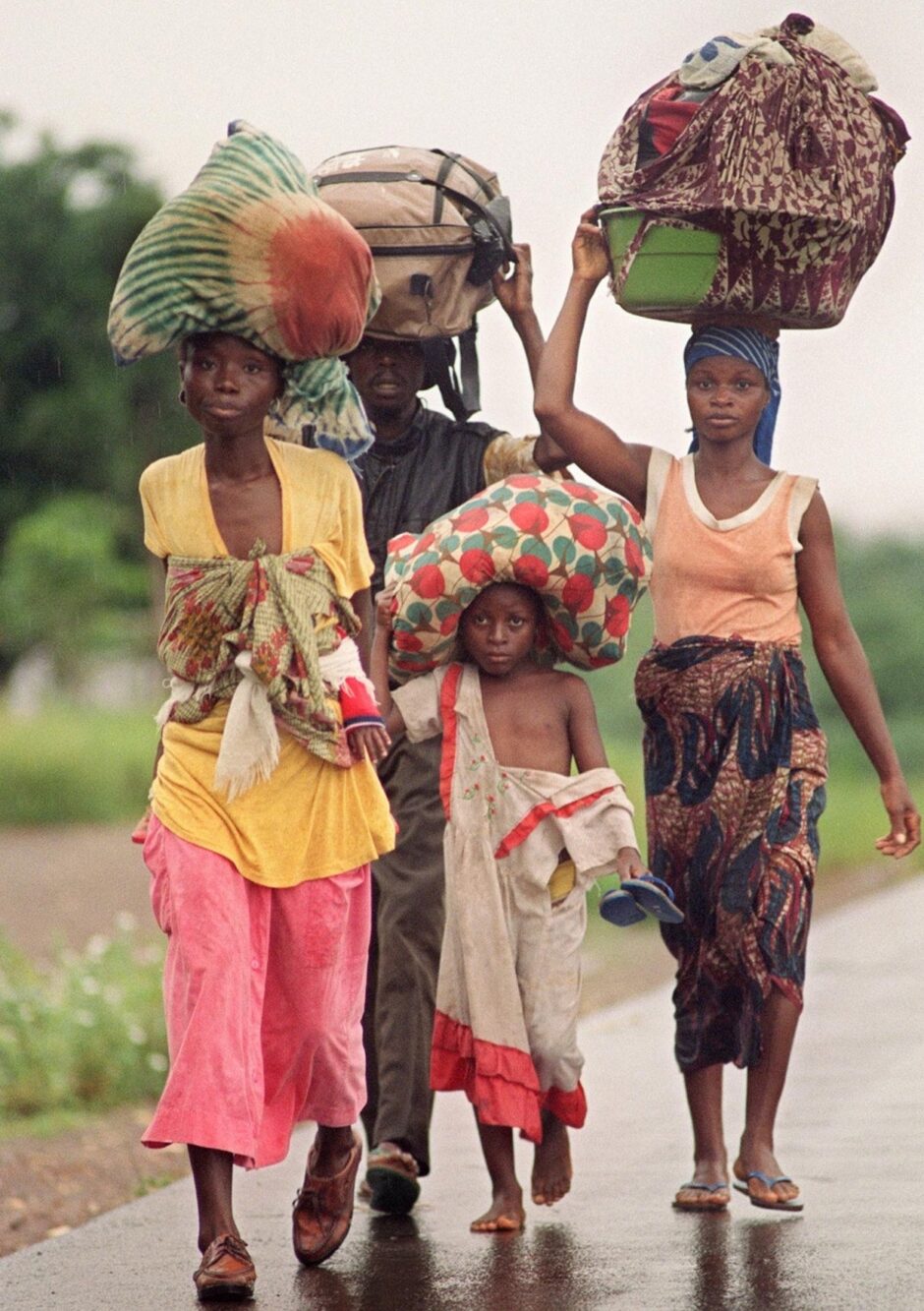
Between 1989 and 2003, Liberia’s civil wars killed an estimated 250,000 people and displaced millions. Women and girls bore the brunt of sexual violence. Liberia’s Truth and Reconciliation Commission concluded in its final report in 2009 that “rape and sexual violence were used as a weapon of war.”
The numbers were staggering. In 2016 a report from the World Health Organization found “between 61.4 and 77.4 percent of women and girls in Liberia were raped during the war.”
A separate 2007 report by the United Nations Population Fund and the U.S. Centers for Disease Control and Prevention, four years after the wars had ended, found “more than half of all women in Lofa County reported at least one incident of sexual violence during the most recent conflict (1999–2003).”
“Liberia is home to over 518,000 child brides; 1 in 4 young women were married in childhood,” according to a 2016 report by UNICEF, the United Nations Children’s Fund.
Liberia has ratified international treaties that prohibit forced marriage, including the Convention on the Elimination of All Forms of Discrimination Against Women, the African Charter on the Rights and Welfare of the Child, and the Maputo Protocol. Yet its domestic laws do not include forced marriage as a criminal offense or crime against humanity. Instead, non-consensual marriage may be grounds for annulment, not criminal prosecution.
The country’s marriage laws also contain conflicting age thresholds. Under customary law, girls may marry at 16 with parental consent and at 18 on their own; there is no specified minimum age for men. Under statutory, or civil law, men may marry at 21 and women at 18, or at 16 with parental or court approval. Neither system imposes criminal penalties for forced marriage.
International precedent, Keppler noted, underscored the need for clarity. Earlier hybrid tribunals, mixed international/national courts established in other African countries that will serve as a model for Liberia’s court, did not explicitly list forced marriage in their statutes, but judges later recognized it as a “crime against humanity” under the international law category “other inhumane acts.” Both the Special Court for Sierra Leone and the International Criminal Court also separately secured convictions for forced marriage this way.
Binta Mansaray, registrar of the Residual Special Court for Sierra Leone, said she agreed that Liberia should remove any ambiguity.
Keppler declined to recommend specific sentences, saying it “will be a matter for assessment by the judges.” But she argued that explicit inclusion would strengthen the court’s capacity to deliver justice and make victim’s experience central in the court process.
“Liberia has an opportunity to show leadership and ensure that that harm which did occur in Liberia is fully and expressly reflected in the statute,” Keppler said. “Ensuring we recognize forced marriage and other sexual and gender-based crimes will help ensure that this court is able to deliver justice—and also to ensure, through all its practices, that the court thinks about what is the impact for victims.”
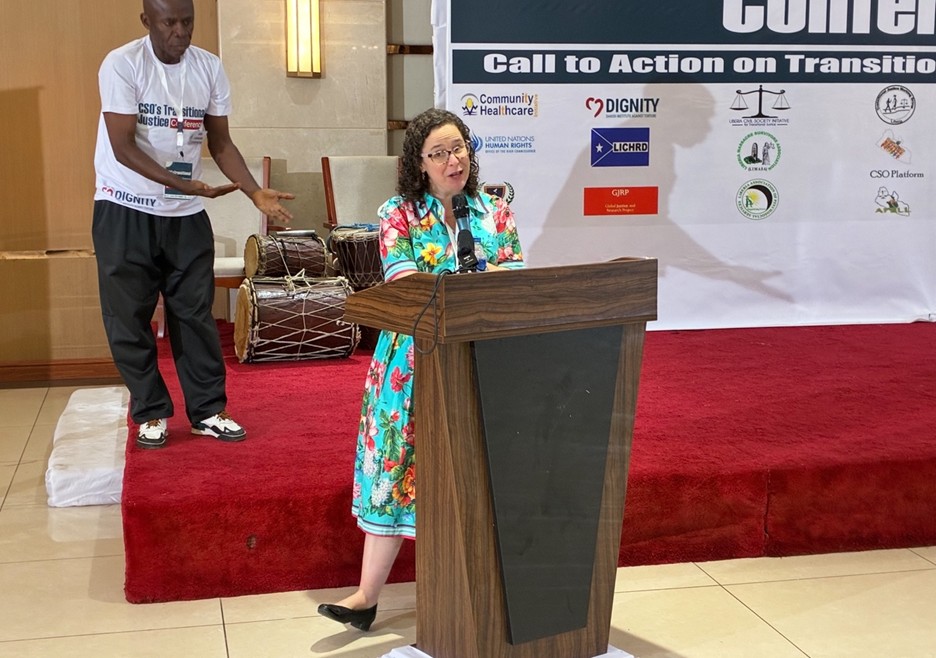
eppler said she would continue engaging civil society groups and officials drafting the legislation to press for the inclusion of forced marriage and other justice concerns.
This story is a collaboration with New Narratives as part of the “Investigating Liberia” project. Funding was provided by the Swedish Embassy in Liberia. The funder had no say in the story’s content.