How Doctors In Ghana Are Leading The Fight Against Household Air Pollution

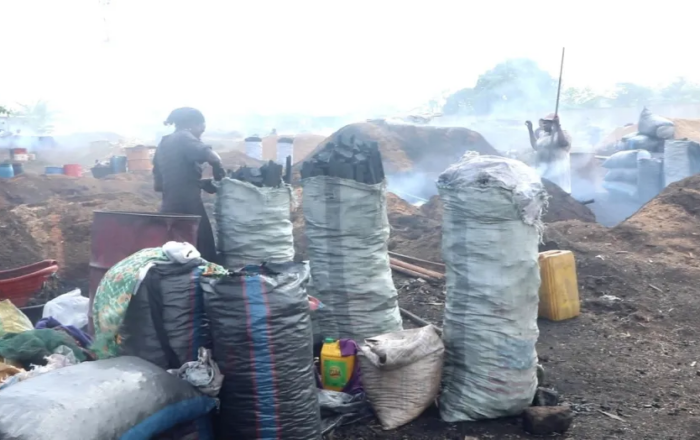
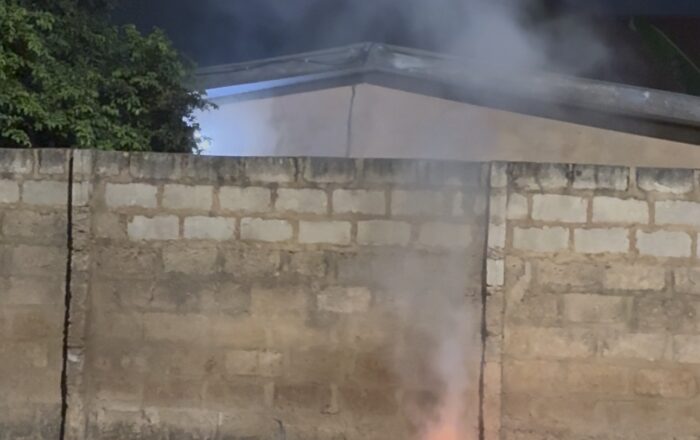
In Ghana, doctors are leading the fight against household air pollution, warning that smoke from charcoal and firewood stoves is putting millions of families at risk. With over 30% of households relying on charcoal and half still using firewood, children are the most vulnerable — facing respiratory infections, long‑term health problems, and even premature death….

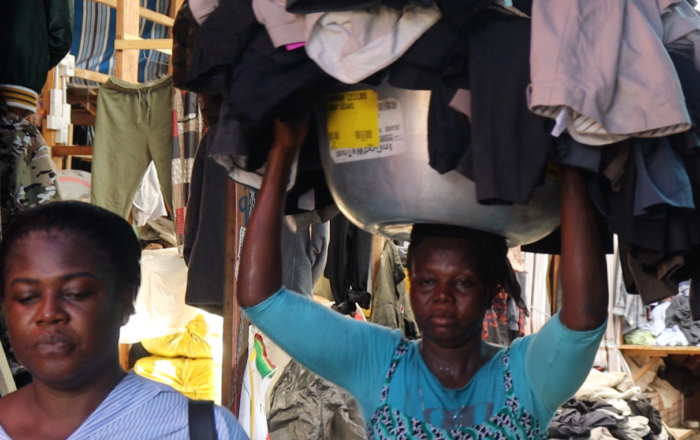
Inside Accra’s Mallam Market, traders breathe pollution twelve times higher than safe limits, but many don’t know the risks.

By Clankson Acheampong MALLAM MARKET, Accra –  By 7:30 a.m., Gladys Ahugah has already arranged her onions, ginger and garlic neatly on a wooden table under the scorching sun here at Accra’s biggest food market. Behind her, a pepper grinding mill roars to life. Dust rises. Vehicles crawl past on the busy Mallam-Kasoa road, releasing…

How Dirty Air Is Quietly Damaging Hearts in Ghana

By Jennifer Ambolley TEMA, Accra —Before dawn, Christabel Addo, would lift the shutters of her provision shop in Community 8. By 6 a.m., the narrow roadside was already choked with trotros belching dark smoke, taxis idling impatiently, and heavy-duty trucks grinding past on their way to the nearby industrial area. “Once the traffic starts, the air changes,” says the 46-year-old former Junior…

How Dirty Air Is Quietly Damaging Hearts in Ghana

Dirty air is quietly damaging the hearts of millions of Ghanaians. When we think about air pollution, we often picture coughing, asthma, or smoggy skies. But what is far more dangerous and far less visible — is how polluted air is silently attacking the heart and blood vessels. Jennifer Ambolley reports in this social media…

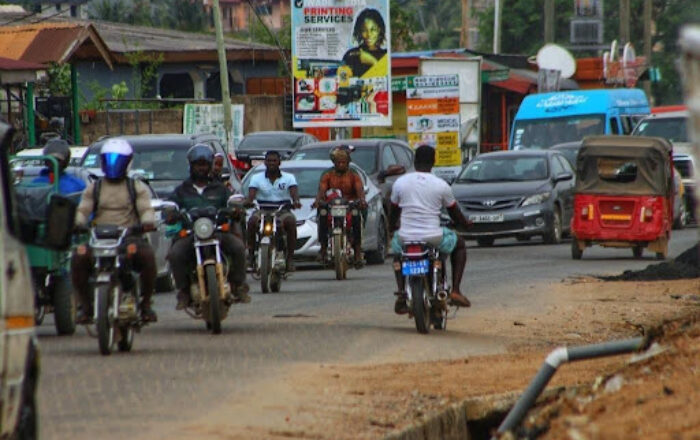
Experts say missing engine part in most Ghanaian vehicles polluting air, sickening people

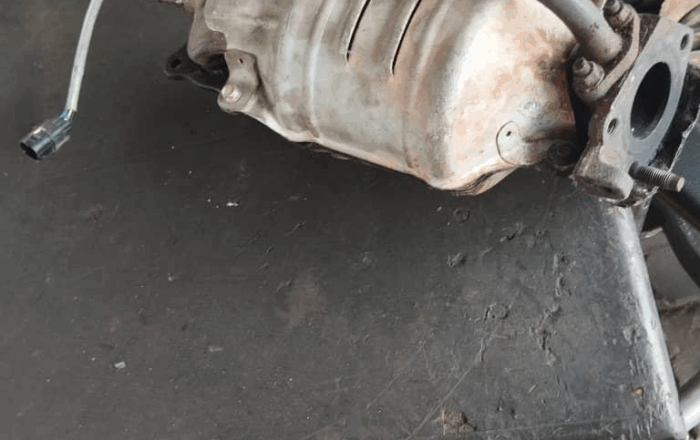
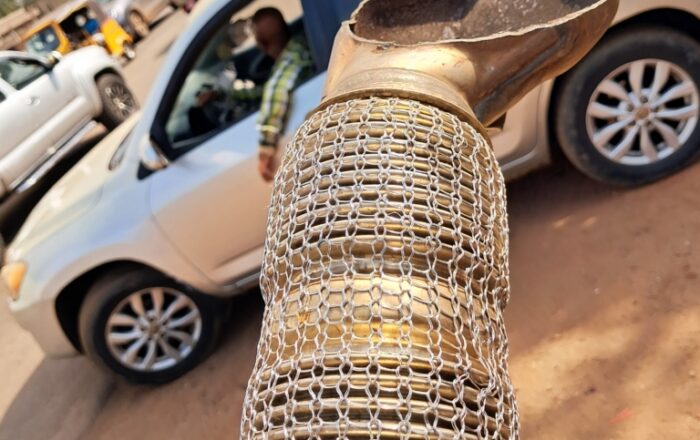
Experts are warning that many vehicles in Ghana are operating without catalytic converters—an essential engine component that reduces harmful exhaust emissions—contributing significantly to air pollution and serious health risks. Without this device, vehicles release toxic gases directly into the atmosphere, worsening air quality and increasing cases of respiratory illnesses, especially among drivers, roadside traders, commuters,…